
McDonough Hoarding Cleanup Services
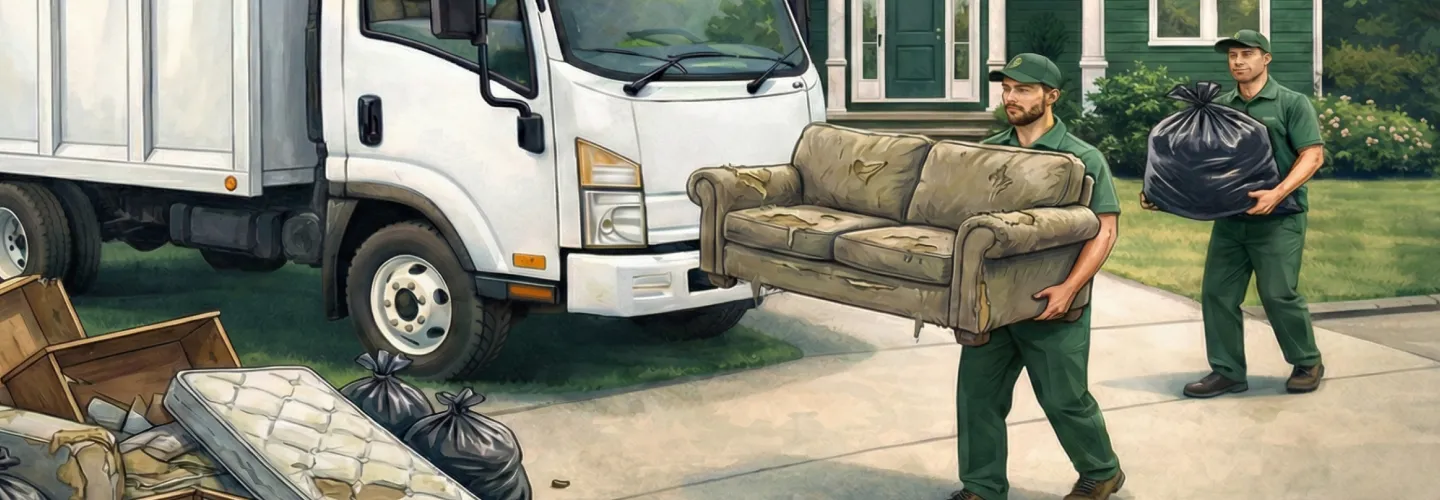
Choose our hoarding cleanup team for respectful, judgment-free service that restores safety and comfort to your home. We combine expertise with empathy to help you reclaim your space and peace of mind.
Get a Free QuoteOur McDonough Junk Removal Services
Hoarding Cleanup in McDonough, GA – Local Service Guide
Hoarding cleanup in McDonough, GA requires a sensitive, thorough approach tailored to local needs. In neighborhoods like Lake Dow and Wesley Lakes, residents often face hoarding challenges triggered by life transitions, seasonal cleanouts, or property sales. For residential items—such as furniture, appliances, or electronics—timing often aligns with spring cleaning, estate transitions, or after major weather events. Local disposal options include donation centers and recycling facilities, but larger items may require special pickup or coordination with city services. For residential spaces like garages, basements, or yards, flooding risks and heavy tree coverage in areas like City Square can drive the need for more frequent cleanouts, especially after storms or during yard waste cycles. Commercial properties in McDonough’s business districts, including retail and medical offices, often require discreet, after-hours service to minimize disruption, with volume and timing tailored to operational needs. Specialty cleanups—such as for foreclosures, estates, or construction debris—demand careful planning and coordination, especially when navigating local property regulations and access constraints.
Key Considerations for Hoarding Cleanup in McDonough
- Timing cleanouts around local weather and seasonal events
- Securing necessary permits and following city guidelines
- Choosing proper disposal or recycling channels for various item types
- Ensuring property access for large-scale removals
- Managing volume and logistics for specialty or commercial projects
- Coordinating with local resources for efficient, compliant service
Benefits of Hoarding Cleanup in McDonough
Compassionate and Discreet Service
Certified Cleanup Professionals
Fast and Reliable Response
Thorough Sanitization and Odor Removal
Customized Cleanup Plans
Safe Disposal of Hazardous Materials
Coordinating Hoarding Cleanup with McDonough's Code Compliance and Public Health Standards
Hoarding situations in McDonough often involve code compliance violations related to property maintenance, structural safety, and sanitation. The McDonough Code Compliance Division investigates complaints regarding accumulated debris, pest infestations, and obstructed egress pathways that violate municipal ordinances. Residents and property owners should understand the following regulatory considerations before initiating cleanup:
- Property maintenance violations may include blocked doorways, windows, or hallways that impede emergency egress as required by fire code
- Pest and vermin infestations resulting from accumulated organic waste require coordination with Henry County Environmental Health for abatement
- Structural load concerns arise when excessive weight from hoarded materials compromises floor integrity, potentially requiring building inspection clearance
- Exterior accumulation of debris, furniture, or waste materials visible from public right-of-way may trigger zoning enforcement action
Properties flagged by code enforcement may be subject to mandatory abatement timelines. Early coordination with the Code Compliance Division can help establish a remediation plan that satisfies municipal requirements while respecting the complexity of hoarding situations.
McDonough Code Compliance Division
2 Griffin Street, McDonough, GA 30253
Phone: (770) 957-5786
Official Website: Code Compliance Division
Biohazard and Hazardous Material Disposal Requirements for McDonough Hoarding Cases
Hoarding environments frequently contain biohazardous and hazardous materials that require specialized handling under Georgia and federal regulations. The Georgia Environmental Protection Division (GA EPD) oversees solid waste management standards that govern the classification and disposal of these materials. Common hazardous items encountered during hoarding cleanup include:
- Biological waste such as animal waste, spoiled food, and human waste products must be handled using personal protective equipment and disposed of through licensed medical or biohazard waste haulers
- Household hazardous waste including old paint, solvents, pesticides, cleaning chemicals, and propane tanks cannot be placed in regular municipal waste streams
- Medications and sharps require disposal through designated pharmaceutical take-back programs or sharps collection containers
- Appliances containing refrigerants must undergo certified refrigerant recovery per EPA Section 608 regulations before disposal
Properties built before 1978 may contain lead-based paint, and structures built before 1980 may have asbestos-containing materials. Disturbance of these materials during cleanup requires compliance with the EPA Renovation, Repair, and Painting Rule and may necessitate licensed abatement contractors. Workers must use appropriate respiratory protection and containment procedures when these materials are suspected.
Georgia Environmental Protection Division
2 Martin Luther King Jr. Drive SE, Suite 1456, Atlanta, GA 30334
Phone: (404) 656-4713
Official Website: Georgia Environmental Protection Division
McDonough Building Inspection Requirements for Post-Hoarding Property Restoration
Following a hoarding cleanup, properties in McDonough may require building inspections and permits before reoccupation, particularly when structural damage, plumbing failures, or electrical hazards are discovered during the removal process. The McDonough Building Inspection Division administers permits and inspections for renovation and repair work triggered by cleanup activities. Key considerations include:
- Structural repairs to floors, walls, or ceilings damaged by prolonged weight stress or moisture infiltration require building permits and licensed contractor work
- Electrical system inspection is recommended when outlets, wiring, or panels have been obstructed or damaged by accumulated materials
- Plumbing repairs for fixtures that have been non-functional or leaking during the hoarding period must meet current plumbing code standards
- Mold remediation in areas where moisture damage has occurred may require professional assessment and remediation following Georgia guidelines
- Fire safety compliance including functional smoke detectors, clear egress pathways, and accessible fire extinguishers must be verified before reoccupation
The McDonough Fire Department may conduct life-safety inspections for properties that were previously cited for fire code violations related to hoarding conditions.
McDonough Building Inspection Division
2 Griffin Street, McDonough, GA 30253
Phone: (770) 957-5786
Official Website: Building Inspection Division
Recycling, Donation, and Material Recovery Options During McDonough Hoarding Cleanouts
Hoarding cleanup projects in McDonough generate substantial volumes of material, much of which can be diverted from landfills through recycling and donation programs. Georgia's solid waste management framework, administered by the GA EPD Solid Waste Program, encourages waste diversion and material recovery. Sorting and separating recoverable items during cleanup is both environmentally responsible and may reduce overall disposal costs. Recoverable material categories commonly found in hoarding situations include:
- Scrap metal such as appliances, cookware, and metal furniture can be directed to local scrap yards for recycling
- Electronics including televisions, computers, and peripherals should be recycled through certified e-waste processors rather than placed in general waste
- Clothing and textiles in usable condition may be accepted by local donation centers and charitable organizations
- Furniture and household goods that are clean and functional can be donated to nonprofit resale organizations such as Habitat for Humanity ReStore
- Paper, cardboard, and recyclable plastics should be separated and placed in appropriate recycling streams
Residents coordinating large-volume cleanouts should contact the McDonough Public Works Department for guidance on bulk waste collection scheduling and approved disposal methods for items that cannot be recycled or donated.
McDonough Public Works Department
2 Griffin Street, McDonough, GA 30253
Phone: (770) 957-5786
Official Website: Public Works Department
Mental Health Resources and Interagency Coordination for Hoarding Cases in McDonough
Hoarding disorder is recognized as a clinical condition by the American Psychiatric Association, and effective cleanup requires sensitivity to the psychological dimensions of the situation. McDonough residents and families navigating hoarding cleanup should be aware of interagency coordination resources that support both the physical remediation and the well-being of affected individuals. Important coordination considerations include:
- Henry County Community Services may provide referrals to licensed mental health professionals experienced in hoarding disorder treatment
- Adult Protective Services through the Georgia Division of Aging Services may be involved when vulnerable adults are living in unsafe hoarding conditions
- McDonough Police Department may accompany cleanup crews when welfare checks or safety concerns have been reported at hoarding properties
- Code enforcement timelines can sometimes be extended when property owners demonstrate active engagement with mental health treatment and a documented cleanup plan
- Family coordination is recommended to ensure that cleanup proceeds at a pace that supports the affected individual's therapeutic progress
Cleanup professionals working in McDonough hoarding situations should maintain communication with all involved agencies to ensure compliance with any court orders, code enforcement deadlines, or social services directives that may govern the remediation timeline.
McDonough Police Department
2 Griffin Street, McDonough, GA 30253
Phone: (770) 957-5786
Official Website: McDonough Police Department
What Neighborhoods Do We Serve Throughout McDonough, GA?
- Downtown McDonough Historic Square: Older commercial and residential structures surrounding the historic courthouse square may present narrow interior layouts, limited parking for service vehicles, and potential lead paint or asbestos concerns in pre-1978 buildings. Historic district guidelines may apply to exterior modifications following cleanup.
- Avalon and Avalon Park: These established single-family subdivisions feature standard residential access with driveways and cul-de-sacs. HOA regulations may govern exterior debris staging and require advance notification before large-scale cleanup operations begin.
- Cobblestone and Cobblestone Manor: Newer subdivision developments with wider streets and accessible driveways accommodate service vehicles effectively. Properties in these communities may have HOA covenants restricting visible debris accumulation and requiring prompt remediation.
- Ola and South McDonough Corridor: Semi-rural properties along the southern corridor may feature longer driveways, detached outbuildings, and larger lots where hoarding extends to garages, sheds, and exterior areas, increasing the scope and complexity of cleanup operations.
- Westbridge and Lakes at Green Valley: These residential communities include a mix of single-family homes and townhomes. Townhome properties may present stairwell navigation challenges and shared-wall considerations that require careful material handling during removal.
- Legends of Ellenwood and Northern Henry County: Properties near the northern boundary of the McDonough service area may involve coordination with both city and Henry County jurisdictions for code enforcement and waste disposal compliance.