
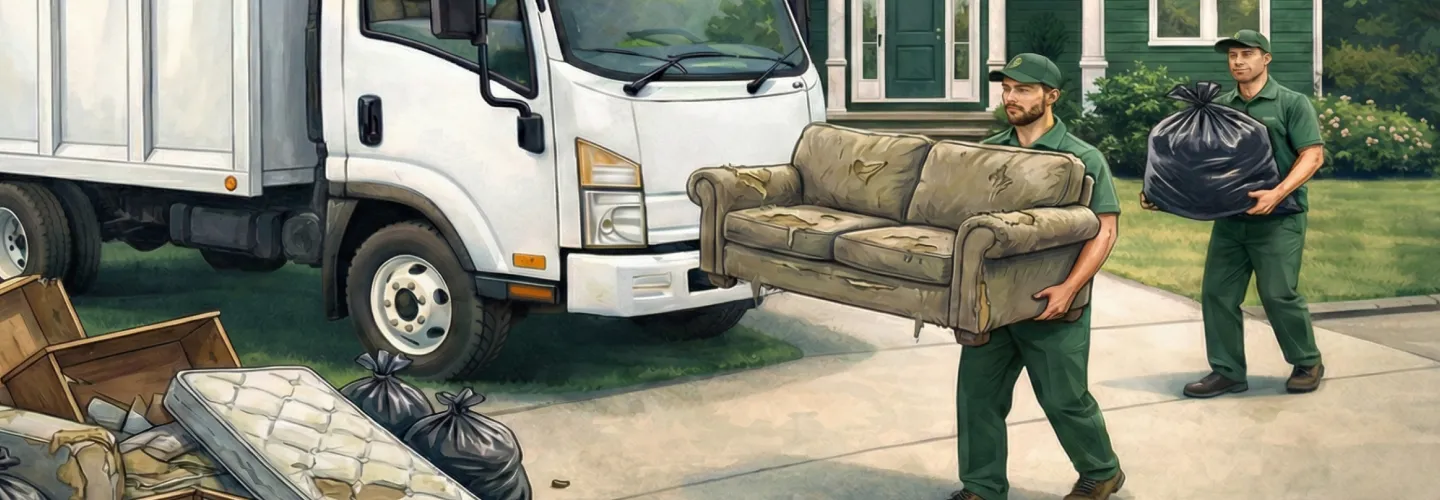
McDonough Construction Waste Management Services
Choose us for reliable construction waste management that keeps your project sites clean, compliant, and environmentally friendly—saving you time, money, and stress.
Get a Free QuoteOur McDonough Junk Removal Services
Construction Waste Management in McDonough, GA – Local Service Guide
Effective construction waste management in McDonough, GA, is essential for maintaining clean neighborhoods and supporting sustainable growth. In residential areas like Lake Dow North and Wesley Lakes, homeowners often need waste removal during spring cleanouts, post-storm yard debris, or when replacing large items such as appliances or mattresses. Local disposal options include donation centers, recycling facilities, and city-approved drop-off sites, but access and weather can impact logistics, especially for bulky items or in flood-prone zones.
Commercial sectors in downtown McDonough and along Jonesboro Road face unique challenges, from office renovations to restaurant upgrades. These projects require timely, discreet waste handling to minimize business disruption. Specialty services—such as dumpster rentals for construction debris or coordinated cleanouts for estate and foreclosure properties—demand careful planning and adherence to local regulations. For guidance on permits and disposal rules, consult the McDonough Public Works Department.
Benefits of Construction Waste Management in McDonough
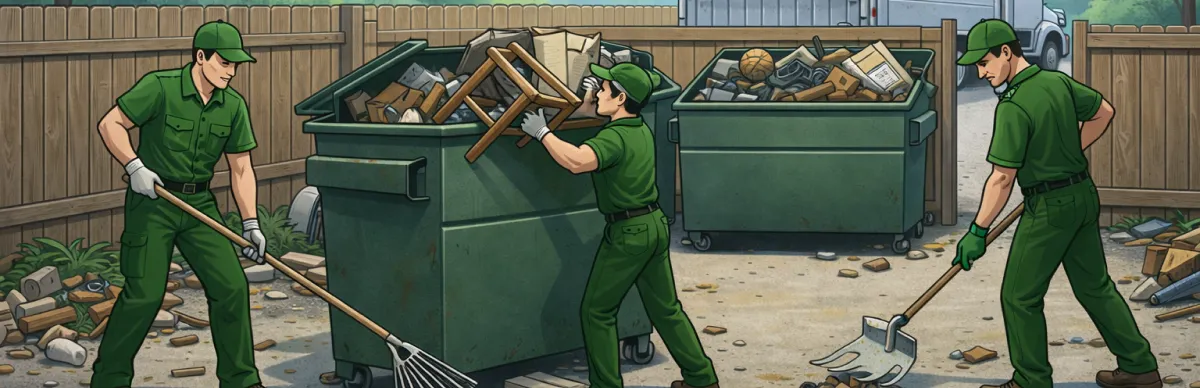
Efficient Debris Removal
Cost-Effective Waste Solutions
Environmentally Friendly Practices
Regulatory Compliance Assurance
Improved Site Safety
Streamlined Project Timelines
Coordinating Construction Debris Disposal with McDonough's Building Inspection Division
Construction and demolition projects in McDonough generate significant volumes of waste that require proper management under municipal and state regulations. Before beginning any renovation or demolition work, property owners and contractors must obtain appropriate building permits through the city's permitting process. The McDonough Building Inspection Division oversees construction plan review, inspections, and building code enforcement for both residential and commercial development. Key requirements for construction waste management include:
- Building permits must be secured before demolition or major renovation work begins
- Waste management plans may be required for large-scale projects as part of the permitting process
- Debris containment on active construction sites must comply with municipal property maintenance standards
- Stormwater protection measures are required to prevent construction sediment and debris from entering storm drains
- Site inspections verify proper waste handling and code compliance throughout the project lifecycle
Contractors should contact the Building Inspection Division early in the planning phase to confirm all applicable waste disposal and site management obligations.
McDonough Building Inspection Division
2 International Park Drive, McDonough, GA 30253
Phone: (770) 957-5786
Official Website: McDonough Building Inspection Division
Georgia's Solid Waste Management Act and Construction Debris Compliance
Georgia regulates construction and demolition waste under the Georgia Comprehensive Solid Waste Management Act (O.C.G.A. § 12-8-20) administered by the Georgia Environmental Protection Division (GA EPD). This legislation establishes the framework for how construction debris—including concrete, lumber, drywall, roofing materials, metals, and brick—must be handled, transported, and disposed of throughout the state. McDonough contractors and property owners must adhere to the following state-level requirements:
- Permitted disposal facilities — Construction and demolition debris must be taken to facilities holding valid solid waste handling permits issued by GA EPD
- Inert waste landfills — Clean concrete, brick, rock, and uncontaminated soil may qualify for disposal at inert waste landfills, which have separate permitting requirements
- Manifest and tracking — Haulers transporting construction waste must maintain proper documentation of waste origin, type, and destination facility
- Illegal dumping penalties — Unauthorized disposal of construction debris on vacant lots, roadsides, or waterways carries fines and potential criminal charges under Georgia law
- Asbestos-containing materials — Structures built before 1980 may contain asbestos; Georgia requires a thorough inspection and licensed abatement before demolition per EPA National Emission Standards for Hazardous Air Pollutants (NESHAP)
The GA EPD Solid Waste Program maintains a directory of permitted disposal and recycling facilities across Henry County and the greater metro Atlanta region.
Material Sorting and Separation Requirements for McDonough Construction Projects
Proper sorting and separation of construction waste materials is essential for regulatory compliance and landfill diversion in McDonough. Mixed loads of construction debris often incur higher disposal fees at transfer stations and landfills, and certain materials are subject to specific handling requirements. Contractors and homeowners undertaking renovation or demolition projects should implement on-site separation practices for the following material categories:
- Concrete, brick, and masonry — These inert materials can often be recycled into aggregate for road base and fill; they should be separated from general debris
- Scrap metals — Steel framing, copper wiring, aluminum flashing, and other metals have resale value and should be diverted to licensed scrap metal recyclers
- Clean wood and lumber — Untreated, unpainted wood may be accepted at wood recycling facilities for mulch or biomass processing; treated or painted wood requires standard disposal
- Drywall and gypsum board — Some facilities accept clean drywall for recycling; contaminated or mixed drywall typically requires landfill disposal
- Roofing shingles — Asphalt shingles may be recyclable into road paving material at specialized facilities in the metro Atlanta area
- Hazardous materials — Lead paint, asbestos, chemical solvents, and adhesives must never be mixed with general construction debris
The McDonough Code Compliance Division enforces property maintenance standards and may issue violations for improperly stored or unsorted construction waste on residential and commercial properties.
McDonough Code Compliance Division
2 International Park Drive, McDonough, GA 30253
Phone: (770) 957-5786
Official Website: McDonough Code Compliance Division
Lead Paint and Asbestos Safety Protocols for McDonough Renovation Debris
Renovation and demolition projects in McDonough—particularly in older structures—require careful attention to hazardous materials that may be embedded in construction components. Federal and state regulations impose strict handling, removal, and disposal requirements for lead-based paint and asbestos-containing materials. Failure to comply can result in significant fines, health hazards, and project delays. Key safety protocols include:
- Pre-1978 buildings — Any renovation disturbing more than six square feet of painted surface in a pre-1978 structure requires lead-safe work practices under the EPA Renovation, Repair, and Painting (RRP) Rule; contractors must hold EPA RRP certification
- Asbestos surveys — Before demolition of structures built prior to 1980, a certified asbestos inspector must conduct a thorough survey; friable asbestos requires licensed abatement
- OSHA compliance — Workers handling construction debris must follow OSHA standards for personal protective equipment, respiratory protection, and hazardous material exposure limits
- Disposal requirements — Asbestos waste must be double-bagged in labeled, leak-tight containers and transported to facilities permitted to accept asbestos-containing waste
- Lead debris containment — Lead-contaminated debris must be contained, labeled, and disposed of at facilities authorized to handle lead waste; it cannot be mixed with standard construction debris
The McDonough Fire Department may be consulted regarding fire prevention protocols on active demolition sites where hazardous materials are present.
McDonough Fire Department
65 Lawrenceville Street, McDonough, GA 30253
Phone: (770) 957-1385
Official Website: McDonough Fire Department
Stormwater Protection and Environmental Compliance on McDonough Construction Sites
Active construction sites in McDonough must implement erosion and sediment control measures to prevent construction waste and pollutants from entering the municipal stormwater system. The McDonough Public Works Department oversees stormwater management infrastructure, and construction projects are subject to both local ordinances and Georgia's General Permit for Construction Activity. Environmental compliance obligations for construction waste management include:
- Erosion and sediment control plans — Projects disturbing one acre or more require a Land Disturbance Permit and an approved erosion control plan
- Construction debris containment — Loose materials, packaging, and waste must be secured to prevent wind dispersal into streets, storm drains, and adjacent properties
- Washout areas — Concrete washout, paint cleaning, and equipment rinsing must occur in designated containment areas; discharge into storm drains is prohibited
- Spill prevention — Fuel, oil, solvents, and chemical products stored on construction sites require secondary containment and spill response materials
- Regular site inspections — Contractors must conduct routine inspections of waste storage areas and erosion controls, particularly after rain events
Violations of stormwater protection requirements may result in stop-work orders, fines, and remediation obligations enforced through the city's code compliance process.
McDonough Public Works Department
2 International Park Drive, McDonough, GA 30253
Phone: (770) 957-5786
Official Website: McDonough Public Works Department
What Neighborhoods Do We Serve Throughout McDonough, GA?
- Downtown McDonough Historic Square — Renovation projects in this historic commercial district may require additional review through the McDonough Planning & Zoning Division to ensure construction waste operations do not impact historic structures or streetscapes. Narrow streets and limited staging areas present logistical challenges for debris removal.
- Avalon and Cobblestone Communities — These established residential subdivisions feature single-family homes with driveway access suitable for debris staging. HOA regulations may restrict visible construction waste storage duration and placement locations on individual lots.
- Lake Dow and Jodeco Road Corridor — Larger residential properties along this corridor often involve significant renovation and land-clearing projects. Proximity to waterways requires strict adherence to erosion control and stormwater protection measures during debris removal.
- Eagles Landing Area — This mixed-use area includes both residential neighborhoods and commercial developments. Construction projects in commercial zones must coordinate waste hauling schedules to avoid conflicts with business operations and traffic flow.
- Westridge and Timber Ridge — Newer subdivisions with wider streets and modern infrastructure accommodate construction vehicle access more readily. Builders and homeowners should verify lot-specific setback and waste staging requirements with the Building Inspection Division.
- Tussahaw and South McDonough — Rural and semi-rural properties in this area may involve land clearing and demolition of older structures. Pre-demolition hazardous material surveys are particularly important for aging buildings, and longer haul distances to permitted disposal facilities should be factored into project planning.