
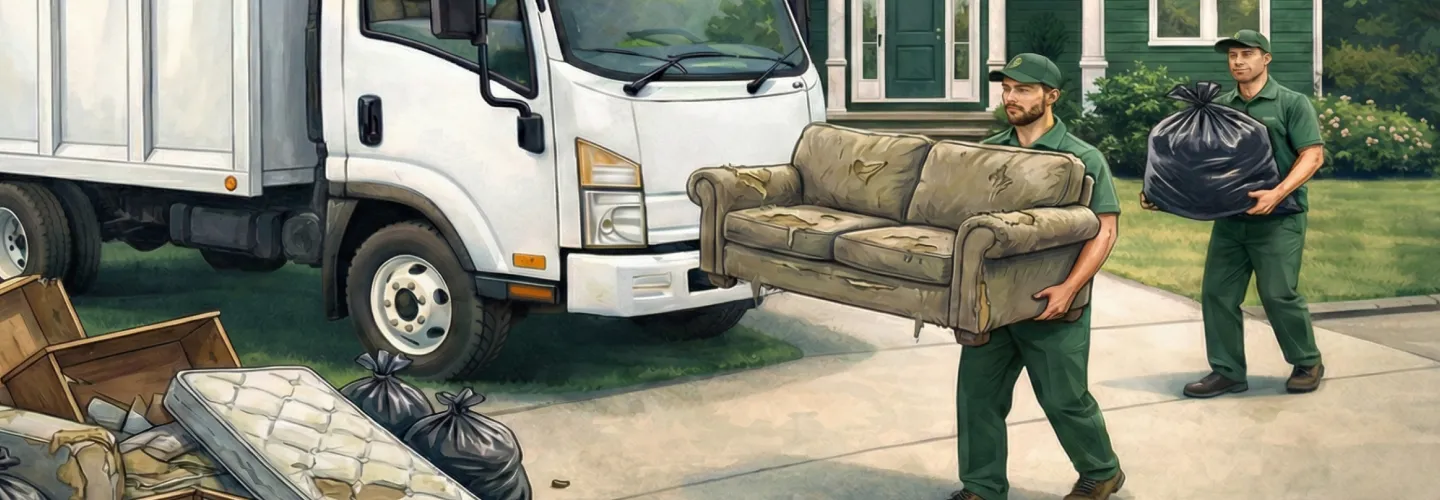
McDonough Yard Waste Removal Services
Choose our Yard Waste Removal for fast, reliable service that keeps your property spotless and eco-friendly—saving you time and hassle while supporting a cleaner community.
Get a Free QuoteOur McDonough Junk Removal Services
Yard Waste Removal in McDonough, GA – Local Service Guide
Yard waste removal in McDonough, GA is essential for maintaining curb appeal and property value, especially in neighborhoods like Lake Dow North and Wesley Lakes. Homeowners often need removal services after seasonal cleanups, storm debris, or when replacing landscaping features. In areas with heavy tree coverage or near Walnut Creek, leaf and branch accumulation can be significant, requiring regular attention. For residential items such as old furniture, appliances, or hot tubs, triggers include home renovations, moving, or replacing worn-out items. These are often handled through donation, recycling, or proper disposal, with logistics influenced by driveway access and weather conditions. Commercial properties in the Jonesboro Road corridor or near South Point Shopping Center face unique needs, such as discreet, timely pickups to avoid business disruption. Specialty projects—like estate cleanouts or construction debris removal—require careful planning and coordination, especially for larger volumes or sensitive timelines. For local rules and disposal resources, consult the McDonough Public Works Department.
Key Considerations for Yard Waste Removal in McDonough
- Timing: Plan around peak yard cycles and post-storm periods
- Permits: Check city requirements for large or specialty loads
- Disposal Channels: Use approved recycling or composting options
- Access: Ensure clear paths for removal trucks, especially in tight neighborhoods
- Volume: Estimate debris to select the right service size
- Coordination: Schedule pickups to align with local collection days and weather
Benefits of Yard Waste Removal in McDonough
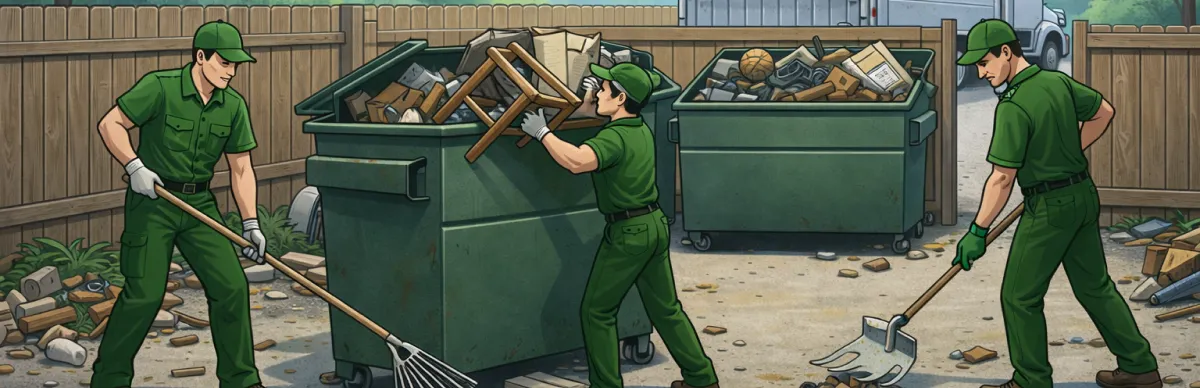
Fast Yard Waste Pickup
Eco-Friendly Disposal
Affordable Service Rates
Licensed and Insured Team
Flexible Scheduling Options
Comprehensive Cleanup Solutions
Coordinating Yard Waste Disposal with McDonough's Public Works Department
Yard waste removal in McDonough requires coordination with the city's municipal services to ensure proper collection and disposal. The McDonough Public Works Department oversees infrastructure maintenance, stormwater management, and public facility upkeep, all of which intersect with yard waste handling. Residents should be aware of the following requirements when preparing yard debris for removal:
- Accepted materials typically include grass clippings, leaves, small branches, shrubs, and other organic landscape debris
- Branch length limits generally require limbs to be cut to manageable lengths (commonly four feet or shorter) and bundled or placed in approved containers
- Placement guidelines require yard waste to be set at the curb on designated collection days, separated from household trash and recyclables
- Prohibited mixing — yard waste must not be combined with construction debris, household garbage, or hazardous materials such as pesticide containers
Residents in Henry County can also contact the county solid waste division for additional drop-off options and seasonal collection events.
McDonough Public Works Department
76 Veterans Parkway, McDonough, GA 30253
Phone: (770) 957-5786
Official Website: McDonough Public Works Department
Georgia's Solid Waste Management Act and Yard Debris Regulations
Georgia state law establishes the regulatory framework governing how yard waste and organic debris must be handled, transported, and disposed of throughout the state. The Georgia Environmental Protection Division (GA EPD) administers solid waste permitting and enforcement under the Georgia Comprehensive Solid Waste Management Act (O.C.G.A. § 12-8-20 et seq.). Key state-level requirements affecting McDonough residents include:
- Yard trimmings landfill ban — Georgia law prohibits the disposal of yard trimmings (leaves, brush, grass clippings, and similar organic material) in municipal solid waste landfills, effective since 1996
- Composting and mulching are the preferred disposal methods under state guidelines; yard waste must be directed to permitted composting facilities or used for on-site mulching
- Hauler requirements — commercial yard waste haulers operating in McDonough must comply with state solid waste handling permits and maintain proper licensing
- Illegal dumping penalties — improper disposal of yard waste in unauthorized areas, waterways, or storm drains may result in fines and code enforcement action
The EPA Region 4 Southeast office provides additional federal guidance on organic waste management and stormwater pollution prevention related to yard debris.
McDonough Code Compliance Standards for Yard Waste Accumulation and Removal
The McDonough Code Compliance Division enforces municipal property maintenance standards that directly affect how yard waste is stored, accumulated, and removed from residential and commercial properties. Failure to manage yard debris in a timely manner can result in code violations and associated penalties. Property owners should observe the following compliance standards:
- Accumulation limits — excessive piles of leaves, branches, or grass clippings left on properties beyond collection schedules may trigger a code violation investigation
- Right-of-way clearance — yard waste must not obstruct sidewalks, drainage ditches, storm drains, or public roadways
- Burning restrictions — open burning of yard waste within McDonough city limits is subject to local fire ordinances and Georgia EPD air quality regulations; permits may be required
- Stormwater protection — yard debris must be kept away from storm drains and waterways to prevent blockages and comply with the city's stormwater management requirements
McDonough Code Compliance Division
76 Veterans Parkway, McDonough, GA 30253
Phone: (770) 957-5786
Official Website: McDonough Code Compliance Division
Mulching, Composting, and Recycling Options for McDonough Yard Debris
Diverting yard waste from landfills is both a state mandate and an environmental priority for McDonough residents. Georgia's yard trimmings landfill ban requires that organic landscape debris be composted, mulched, or processed at a permitted facility rather than disposed of in standard waste streams. The Georgia Tree Council provides educational resources on sustainable tree care and debris management practices. Residents and property managers should consider these recycling and diversion options:
- On-site composting — grass clippings, leaves, and small plant material can be composted in backyard bins, reducing the volume of curbside yard waste
- Mulching in place — using a mulching mower to return grass clippings to the lawn eliminates the need for collection and provides natural fertilization
- Chipping and grinding — larger branches and limbs can be processed into wood chips for use in landscaping beds and erosion control
- Permitted composting facilities — Henry County and surrounding areas operate composting sites that accept yard trimmings from McDonough residents
- Seasonal leaf collection — fall leaf accumulation may qualify for special collection events; contact Public Works for scheduling details
Safety and Proper Handling Procedures for Large-Scale Yard Waste Projects
Large yard waste removal projects in McDonough — including storm damage cleanup, major tree trimming, and land clearing — require attention to safety protocols and proper material handling. The McDonough Fire Department should be contacted if downed trees or large limbs create hazardous conditions near power lines or structures. Key safety and handling considerations include:
- Power line hazards — never attempt to remove branches or trees in contact with or near overhead electrical lines; contact Georgia Power for emergency line clearance
- Heavy lifting protocols — logs and large limbs should be cut into manageable sections to prevent injury; proper lifting techniques and equipment (wheelbarrows, hand trucks) reduce strain
- Equipment safety — chainsaws, chippers, and other power equipment require appropriate personal protective equipment including eye protection, hearing protection, gloves, and steel-toed boots
- Stump and root removal — grinding or excavating stumps may require a permit from the McDonough Building Inspection Division if the work affects grading, drainage, or utility lines
- Debris staging — yard waste awaiting pickup should be staged on the property or at the curb, not in the street or blocking drainage infrastructure
McDonough Fire Department
76 Veterans Parkway, McDonough, GA 30253
Phone: (770) 957-5786
Official Website: McDonough Fire Department
What Neighborhoods Do We Serve Throughout McDonough, GA?
- Downtown McDonough Historic Square: Properties surrounding the historic courthouse square feature mature trees and established landscaping that generate significant seasonal leaf and branch debris. Narrow lot lines and limited staging areas may require careful coordination for curbside yard waste placement.
- Avalon: This established residential community includes single-family homes with large wooded lots. Heavy tree canopy produces substantial leaf litter and limb fall, particularly during storm season, requiring frequent yard waste collection.
- Cobblestone Manor: Newer subdivision development with HOA-maintained common areas. Residents should verify HOA guidelines regarding yard waste staging locations and approved collection schedules before placing debris at the curb.
- Heron Bay: Homes in this community are situated near ponds and stormwater features. Yard waste must be kept clear of retention areas and drainage structures to maintain stormwater compliance with city regulations.
- Brixton: A growing residential area with a mix of lot sizes and young landscaping. As trees and shrubs mature, yard waste volume increases; residents should plan for seasonal removal needs accordingly.
- Ola Crossroads Area: Properties on the outskirts of McDonough may have larger acreage with extensive tree lines and natural vegetation. Land clearing and brush removal projects in this area may generate volumes exceeding standard curbside collection limits, requiring coordination with permitted haulers or composting facilities.