
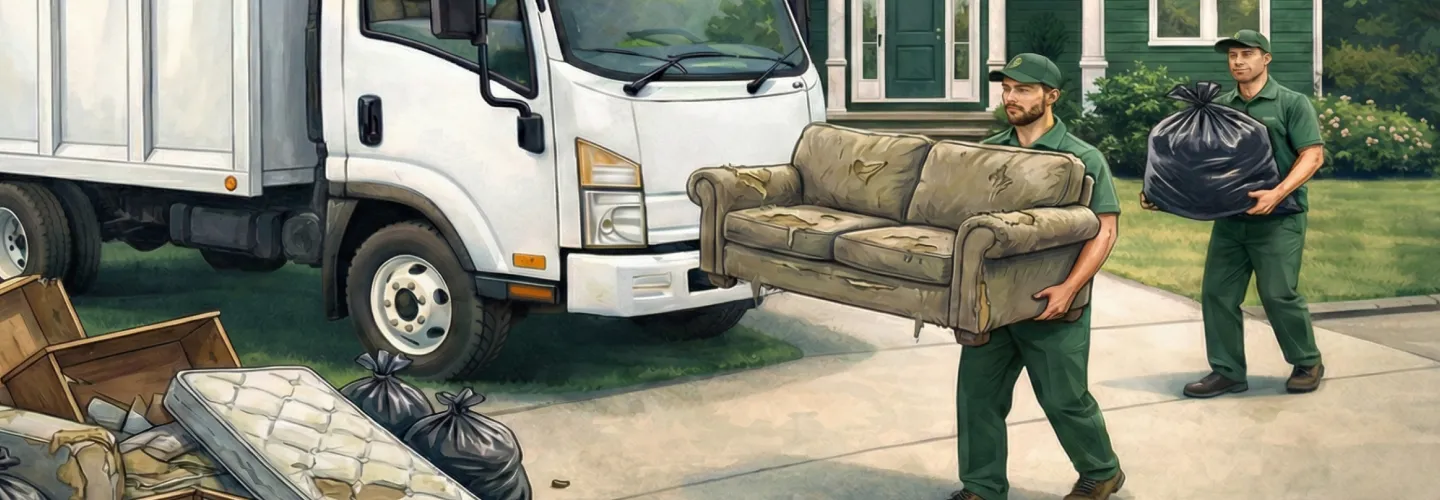
McDonough Shed Removal Services
Choose our shed removal service for reliable, efficient, and eco-friendly solutions—our experienced team handles everything from dismantling to disposal, making the process stress-free and affordable for you.
Get a Free QuoteOur McDonough Junk Removal Services
Shed Removal in McDonough, GA – Local Service Guide
Shed removal in McDonough, GA is a common need for homeowners in neighborhoods like Lake Dow North and Wesley Lakes, especially during spring cleanouts, property upgrades, or after severe weather. Many residents opt to remove old or damaged sheds when replacing outdoor storage, preparing for landscaping projects, or addressing code compliance issues. Local disposal options include recycling metal components, donating usable materials, or arranging for professional haul-away services. Access can be a challenge in backyards with limited entry points or during rainy seasons, so planning around weather and property layout is key. For larger or older sheds, permits may be required, and coordination with city services ensures compliance with local regulations. Always check with the McDonough Public Works Department for current guidelines on debris disposal and recycling.
Benefits of Shed Removal in McDonough
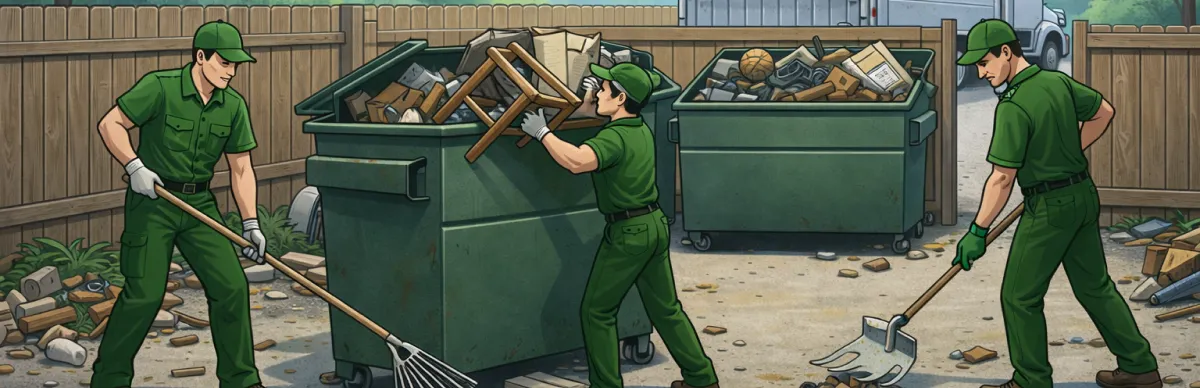
Fast Shed Removal Services
Eco-Friendly Disposal Solutions
Licensed and Insured Team
Transparent Upfront Pricing
Flexible Scheduling Options
Comprehensive Site Cleanup
Coordinating Shed Demolition Permits with McDonough's Building Inspection Division
Shed removal in McDonough typically requires a demolition permit before any structural teardown begins. The McDonough Building Inspection Division oversees permit applications for residential and commercial demolition projects, including accessory structures such as sheds, outbuildings, and storage units. Property owners should confirm whether their shed is classified as a permanent structure under local building codes, as this determines permit requirements.
- Demolition permits must be obtained before dismantling any structure with a concrete foundation or permanent utility connections
- Plan review may be required if the shed is connected to electrical wiring, plumbing, or gas lines
- Utility disconnection must be verified and documented prior to demolition
- Setback and zoning compliance should be confirmed through the McDonough Planning & Zoning Division if a replacement structure is planned
- Inspection scheduling may be necessary after removal to confirm site clearance
Residents should submit permit applications with a site plan showing the shed's location relative to property lines and other structures. Processing times vary based on project complexity.
McDonough Building Inspection Division
2 Griffin Street, McDonough, GA 30253
Phone: (770) 957-5786
Official Website: McDonough Building Inspection Division
Material Sorting and Separation Requirements for Shed Debris in McDonough
Shed removal generates multiple waste streams that must be sorted and handled according to Georgia solid waste regulations. The Georgia Environmental Protection Division (GA EPD) administers the Georgia Comprehensive Solid Waste Management Act, which establishes disposal standards for construction and demolition debris. McDonough property owners and contractors are responsible for separating shed materials before transport to approved disposal facilities.
- Lumber and wood framing: Untreated wood may be accepted at construction and demolition (C&D) landfills or recycled; pressure-treated lumber requires separate handling due to chemical preservatives such as chromated copper arsenate (CCA)
- Metal roofing, fasteners, and hardware: Scrap metal should be separated for recycling at licensed scrap facilities in Henry County
- Asphalt shingles: Many C&D facilities accept shingles separately for recycling into road paving material
- Concrete foundations and pavers: Clean concrete can often be crushed and recycled; mixed loads with rebar require additional processing
- Vinyl siding and plastic components: Must be disposed of at permitted solid waste facilities; recycling options are limited
Improper mixing of hazardous and non-hazardous materials can result in load rejection at disposal facilities and potential code enforcement action through the McDonough Code Compliance Division.
Hazardous Material Identification Before Shed Demolition in McDonough
Older sheds in McDonough may contain hazardous materials that require specialized handling before demolition proceeds. Structures built before 1978 may have lead-based paint on interior or exterior surfaces, requiring compliance with the EPA Renovation, Repair, and Painting Rule. Sheds constructed with certain insulation or roofing products before the 1980s may also contain asbestos-containing materials.
- Lead paint: Contractors performing demolition on pre-1978 structures must follow lead-safe work practices; paint chips and dust must be contained and disposed of as hazardous waste
- Asbestos: Roofing felt, siding, and floor tiles may contain asbestos fibers; a licensed inspector should assess suspect materials before demolition
- Pesticide residue: Sheds used for chemical or pesticide storage may have contaminated surfaces or soil requiring environmental assessment
- Fuel and oil containers: Gasoline, motor oil, and propane tanks stored in sheds are prohibited from regular solid waste disposal
- Electrical components: Fluorescent light fixtures contain mercury and must be handled as universal waste
Henry County residents can utilize household hazardous waste collection events for small quantities of paint, chemicals, and batteries. Contact the EPA Region 4 Southeast office for guidance on federal hazardous waste compliance requirements.
McDonough Code Compliance Division
2 Griffin Street, McDonough, GA 30253
Phone: (770) 957-5786
Official Website: McDonough Code Compliance Division
Stormwater Protection and Site Restoration After Shed Removal in McDonough
Shed removal projects in McDonough must account for stormwater management and erosion control, particularly when ground disturbance exposes bare soil. The McDonough Public Works Department oversees stormwater infrastructure, and the city enforces erosion and sedimentation control measures consistent with Georgia's general permit requirements for construction activities.
- Erosion control: Exposed soil from foundation removal must be stabilized within a reasonable timeframe using seed, sod, or mulch to prevent sediment runoff into storm drains
- Debris containment: Demolition materials must not be allowed to enter stormwater conveyance systems, drainage ditches, or adjacent waterways
- Concrete washout: If concrete cutting or removal generates slurry, it must be contained and not discharged to the ground surface or storm drains
- Site grading: Final grade should direct stormwater away from neighboring properties and structures
- Soil contamination: If the shed site shows signs of chemical spills or fuel leaks, soil testing may be required before backfilling
The McDonough Wastewater Treatment division can provide guidance on protecting wastewater infrastructure during demolition activities near sewer lines.
McDonough Public Works Department
2 Griffin Street, McDonough, GA 30253
Phone: (770) 957-5786
Official Website: McDonough Public Works Department
Georgia's Solid Waste Regulations Governing Construction and Demolition Debris Disposal
Shed removal debris falls under construction and demolition (C&D) waste classifications governed by the Georgia Comprehensive Solid Waste Management Act (O.C.G.A. § 12-8-20). The Georgia Environmental Protection Division regulates C&D landfills separately from municipal solid waste landfills, and disposal facilities must hold valid permits from GA EPD.
- C&D landfill requirements: Shed debris including wood, roofing, siding, and concrete must be transported to a GA EPD-permitted C&D disposal facility; unauthorized dumping carries penalties under state law
- Inert waste: Clean concrete, brick, and soil may qualify for disposal at inert waste landfills, which have less restrictive permitting requirements
- Prohibited materials: Hazardous waste, asbestos, electronics, tires, and appliances are prohibited from C&D landfills and must be managed through appropriate channels
- Hauler requirements: Commercial haulers transporting C&D waste in Georgia must comply with state solid waste handling regulations and maintain proper documentation of disposal
- Recycling goals: Georgia encourages diversion of recyclable C&D materials including metals, clean wood, and concrete from landfill disposal
Property owners hiring contractors for shed removal should verify that the contractor uses GA EPD-permitted disposal facilities and can provide disposal receipts upon request.
What Neighborhoods Do We Serve Throughout McDonough, GA?
- Downtown McDonough Historic Square: Properties near the historic town square may include older accessory structures with lead paint or asbestos-containing materials. Narrow lot configurations and proximity to neighboring buildings require careful equipment staging and debris containment during shed demolition.
- Avalon: This established residential community features single-family homes with backyard sheds accessible through side yards or rear gates. HOA approval may be required before shed removal, and contractors should verify gate widths for equipment access.
- Cobblestone Manor: Larger residential lots in this subdivision often accommodate storage sheds and outbuildings. Wide driveways and open rear yards generally allow straightforward equipment access for demolition and debris hauling.
- Heron Bay: Properties in this community near lakes and retention ponds require heightened attention to stormwater protection and erosion control during shed removal to prevent sediment discharge into nearby water features.
- Briarcrest: This neighborhood includes a mix of newer and established homes with varying shed sizes and construction types. Cul-de-sac street layouts may limit turning radius for larger hauling vehicles.
- Reims Place and Southgate: These residential areas feature moderate lot sizes where shed placement near property lines may require coordination with adjacent property owners during demolition to prevent damage to fencing or landscaping.