
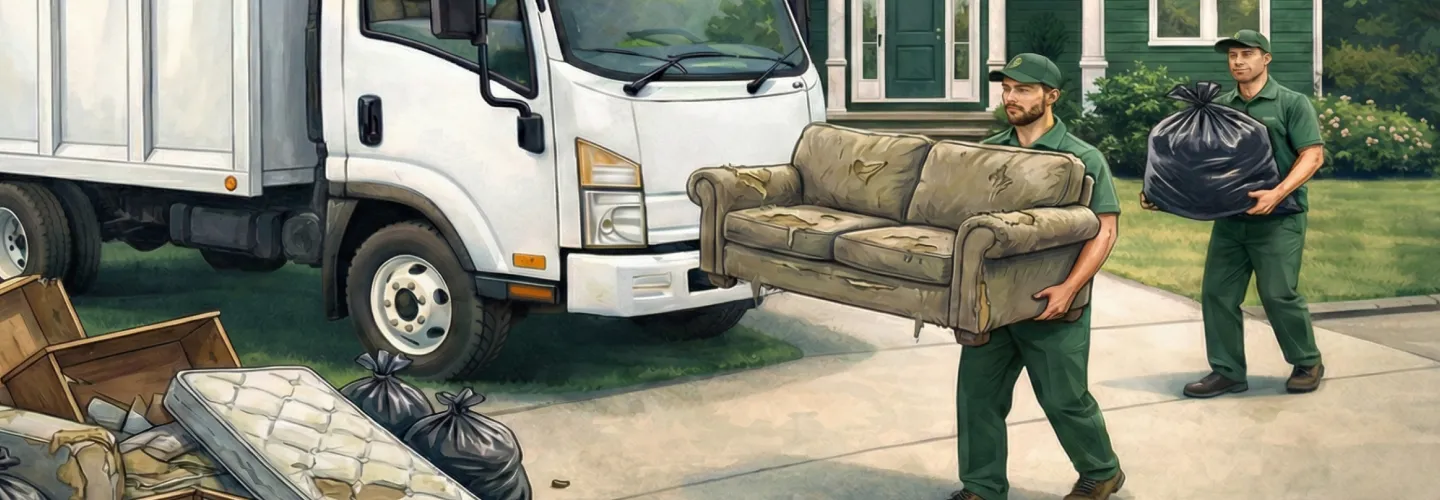
McDonough Restaurants Junk Removal Services
Choose our Restaurants Junk Removal for prompt, professional service that keeps your dining space clean, compliant, and welcoming—so you can focus on serving your customers.
Get a Free QuoteOur McDonough Junk Removal Services
Restaurants Junk Removal in McDonough, GA – Local Service Guide
Restaurants in McDonough, GA, from bustling eateries on the McDonough Square to family-owned spots along Jonesboro Road, face unique junk removal needs. Seasonal menu changes, kitchen upgrades, and health code compliance often trigger the need for swift, discreet removal of old appliances, furniture, and bulk waste. Local regulations require proper disposal, and many restaurants coordinate pickups to avoid disrupting peak hours. In commercial districts like South Point Shopping Center, volume can be significant, especially after renovations or equipment replacements. Reliable junk removal services help maintain a clean, compliant environment and support smooth operations. For guidance on local disposal rules and resources, visit the McDonough Public Works Department.
Key Considerations for Restaurants Junk Removal in McDonough
- Timing pickups to avoid service disruptions and comply with local schedules
- Securing necessary permits for large or hazardous items
- Using approved disposal and recycling channels
- Ensuring easy access for removal trucks in busy downtown or shopping areas
- Coordinating with property managers for after-hours service
- Managing category-specific items like kitchen equipment, grease traps, or bulk seating
Benefits of Restaurants Junk Removal in McDonough
Fast and Reliable Service
Eco-Friendly Disposal Solutions
Experienced Junk Removal Team
Flexible Scheduling Options
Comprehensive Restaurant Cleanouts
Competitive Pricing for Businesses
Coordinating Restaurant Junk Removal with McDonough’s Public Works Department
Proper restaurant junk removal in McDonough, GA requires close coordination with the city’s Department of Public Works. Commercial establishments must adhere to the city’s solid waste management protocols, which include scheduled bulk waste pickups and specific preparation requirements. Restaurants should:
- Schedule bulk item pickups in advance, as unscheduled dumping may result in code violations
- Separate recyclable materials from general waste before collection
- Ensure all items are placed curbside by 6:00 AM on the designated collection day
- Avoid placing prohibited materials, such as hazardous chemicals, in regular waste streams
- Be aware of disposal fees, which may apply for large or non-standard items
McDonough Public Works Department
136 Keys Ferry Street, McDonough, GA 30253
Phone: (770) 957-3915
Official Website: McDonough Public Works Department
Failure to comply with these requirements can result in fines or service delays. For detailed schedules and accepted materials, consult the city’s official solid waste management page.
Understanding McDonough’s Code Enforcement and Health Regulations for Restaurant Waste
Restaurants in McDonough must comply with municipal code enforcement and health department standards when disposing of junk and bulk waste. Key requirements include:
- Adhering to property maintenance standards to prevent illegal dumping
- Ensuring waste storage areas are clean and pest-free
- Obtaining necessary permits for removal of large fixtures or renovation debris
- Following noise ordinances for after-hours removal activities
- Coordinating with code compliance officers for inspections or violation resolution
McDonough Code Compliance Division
136 Keys Ferry Street, McDonough, GA 30253
Phone: (678) 782-6230
Official Website: McDonough Code Compliance Division
Restaurants should review the city’s property maintenance codes and contact the Code Compliance Division for guidance on legal disposal practices and permit requirements.
Recycling Mandates and Material Separation for McDonough Restaurant Waste
McDonough encourages restaurants to participate in recycling programs and mandates the separation of certain materials from landfill-bound waste. Key practices include:
- Separating cardboard, glass, and metals for recycling
- Disposing of used cooking oil through licensed recyclers
- Keeping hazardous materials (e.g., cleaning chemicals) out of regular waste streams
- Participating in local electronics and appliance recycling events
- Consulting the city’s recycling guidelines for accepted materials
Georgia’s Environmental Protection Division oversees statewide solid waste regulations, including landfill bans on certain hazardous items. Restaurants must ensure compliance with both city and state recycling mandates to avoid penalties and support environmental stewardship.
Safe Handling and Removal of Hazardous and Regulated Restaurant Materials
Restaurants often generate waste that requires special handling, such as old appliances, fluorescent bulbs, or cleaning chemicals. To ensure safety and compliance:
- Identify and segregate hazardous materials from regular waste
- Arrange for certified disposal of items containing refrigerants or mercury
- Follow EPA guidelines for lead paint or asbestos if renovating older buildings
- Use personal protective equipment (PPE) when handling sharp or contaminated items
- Maintain documentation of hazardous waste disposal as required by law
For federal guidance, refer to the EPA Resource Conservation and Recovery Act (RCRA), which governs hazardous waste management. Local regulations may require additional steps for safe removal and documentation.
What Neighborhoods Do We Serve Throughout McDonough, GA?
- Historic Downtown: Features older commercial buildings with limited rear access and narrow alleys, requiring careful planning for junk removal and adherence to historic preservation guidelines.
- Lake Dow: Home to a mix of restaurants and event venues, this area often requires after-hours removal to avoid disrupting business operations and must coordinate with HOA restrictions.
- City Square: High pedestrian traffic and limited curbside space necessitate early morning pickups and strict compliance with city noise and access ordinances.
- Avalon Park: Newer developments with modern waste enclosures and clear access routes, but may require advance notice for large-scale removals due to HOA policies.
- Bridlewood: Suburban setting with ample parking, but restaurants must ensure driveway protection and avoid blocking shared access points during removal.
- Wesley Lakes: Family-oriented neighborhood with several eateries; removal activities should be scheduled to minimize impact on school zones and community events.
- Bridgewater: Commercial corridor with larger restaurant footprints, often requiring coordination with property managers for loading dock access and compliance with fire lane regulations.