
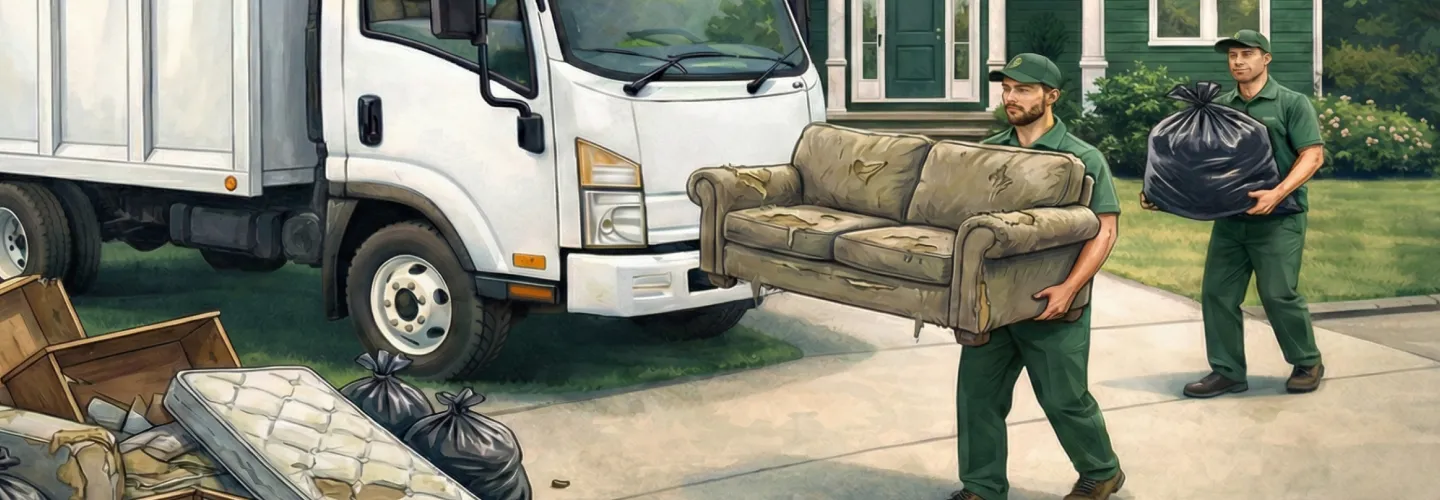
McDonough Electronics Recycling Services
Choose our electronics recycling services for secure, eco-friendly disposal of your old devices—protecting your data, the environment, and your community with every item we recycle.
Get a Free QuoteOur McDonough Junk Removal Services
Electronics Recycling in McDonough, GA – Local Service Guide
Electronics recycling in McDonough, GA is essential for keeping neighborhoods like Lake Dow, Wesley Lakes, and City Square clean and compliant with local regulations. Residents often need to recycle electronics during spring cleanouts, after upgrading devices, or when moving. In McDonough, seasonal storms and property renovations can prompt the need for safe disposal of TVs, computers, and small appliances. Options include city-sponsored drop-off events, local recycling centers, or arranging curbside pickup for larger items. For commercial clients in areas like the Jonesboro Road corridor, offices and retail spaces frequently require bulk electronics removal during upgrades or relocations, with a focus on secure data destruction and minimal business disruption. Specialty projects—such as estate cleanouts or construction debris removal—demand careful planning and coordination, especially for large volumes or sensitive materials. Always check McDonough Public Works Department for current guidelines and approved disposal channels.
Key Considerations for Electronics Recycling in McDonough
- Timing: Plan around city cleanout events and seasonal weather
- Permits: Some bulk pickups may require advance notice or permits
- Disposal Channels: Use approved recycling centers or city programs
- Access: Ensure items are accessible for pickup, especially in gated communities
- Volume: Large loads may need special scheduling or equipment
- Coordination: Commercial and specialty projects often require advance coordination with city services
Benefits of Electronics Recycling in McDonough
Eco-Friendly Disposal Solutions
Secure Data Destruction
Compliance With Local Regulations
Convenient Pickup Services
Certified Recycling Processes
Support for Community Sustainability
Coordinating Electronics Recycling with McDonough’s Public Works Department
Proper electronics recycling in McDonough, GA is managed through the city’s Department of Public Works, which oversees solid waste collection and recycling programs. Residents are encouraged to utilize designated drop-off events and facilities for items such as televisions, computers, and printers, as these are not accepted in regular curbside trash. Key requirements include:
- Electronics must not be placed in household garbage or curbside bins
- Special collection events are scheduled periodically; check the city website for dates
- Proof of residency may be required for drop-off
- Fees may apply for certain items, especially large televisions or monitors
- Commercial entities must comply with additional disposal regulations
McDonough Public Works Department
136 Keys Ferry Street, McDonough, GA 30253
Phone: (770) 957-3915
Official Website: McDonough Public Works Department
For up-to-date schedules and accepted materials, visit the McDonough Public Works Department page.
Understanding Georgia’s E-Waste Disposal Laws and Local Landfill Bans
Georgia does not currently have a statewide electronics landfill ban, but local ordinances in McDonough prohibit the disposal of many electronic devices in municipal solid waste streams. The Georgia Environmental Protection Division (GA EPD) provides guidance on e-waste management, and residents should be aware of the following:
- Televisions, computers, and monitors are considered e-waste and require special handling
- Many electronics contain hazardous materials such as lead, mercury, and cadmium
- Illegal dumping or improper disposal may result in code violations and fines
- Retailers and manufacturers may offer take-back or recycling programs
- The GA EPD Solid Waste Program offers additional resources on electronics recycling
For more information on state regulations, visit the Georgia Environmental Protection Division.
McDonough Code Compliance and Safe Handling of Electronic Waste
Compliance with McDonough’s municipal codes is essential when disposing of electronics. The Code Compliance Division enforces property maintenance standards and investigates improper disposal. Residents and businesses must:
- Store e-waste securely until it can be properly recycled
- Avoid leaving electronics at the curb or in alleys outside of scheduled collection events
- Ensure data is wiped from devices before recycling
- Use only authorized recycling facilities or events
- Report illegal dumping to city authorities
McDonough Code Compliance Division
136 Keys Ferry Street, McDonough, GA 30253
Phone: (678) 782-6232
Official Website: McDonough Code Compliance Division
Adhering to these requirements helps protect the environment and ensures compliance with local ordinances.
Environmental and Health Considerations for Electronics Recycling in McDonough
Improper disposal of electronics can release hazardous substances, posing risks to both the environment and public health. McDonough’s environmental programs emphasize safe recycling practices, including:
- Keeping electronics out of landfills to prevent soil and water contamination
- Participating in city-sponsored recycling events for safe material recovery
- Following guidelines for handling items with batteries, mercury, or other toxins
- Using certified recyclers who comply with state and federal regulations
- Consulting the EPA Region 4 for federal compliance information
Residents are encouraged to review the Resource Conservation and Recovery Act (RCRA) for federal hazardous waste standards.
What Neighborhoods Do We Serve Throughout McDonough, GA?
- Historic Downtown McDonough: Features older buildings and narrow streets, requiring careful planning for electronics pickup and recycling events. Residents often need to coordinate with building management for access.
- Lake Dow: Primarily single-family homes with driveways, making curbside drop-off for special collection events more accessible. Residents should check for HOA guidelines on e-waste disposal.
- City Square: Includes mixed-use developments and multi-story buildings. Electronics recycling may require elevator access or scheduled loading dock times.
- Wesley Lakes: Suburban neighborhood with newer construction and wider streets, facilitating easy access for city collection vehicles during electronics recycling events.
- Bridlewood: Family-oriented area with a mix of home types. Residents should be aware of city schedules for electronics drop-off and avoid placing items at the curb outside of designated times.
- Crown River: Gated community with private waste management arrangements. Residents must follow both city and HOA rules for electronics recycling.
- Avalon: Features newer homes and planned developments. Electronics recycling is typically coordinated through city events, with clear communication on accepted items and schedules.