
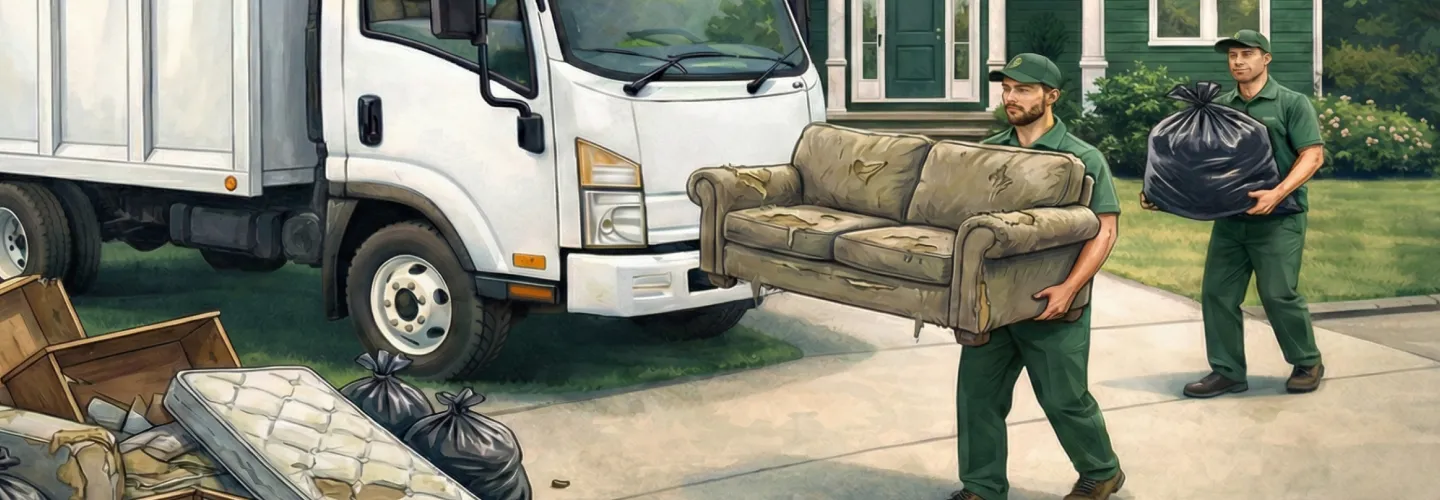
McDonough Scrap Metal Removal Services
Choose our Scrap Metal Removal for hassle-free, eco-friendly service that clears your space quickly while ensuring responsible recycling—saving you time, effort, and helping the environment.
Get a Free QuoteOur McDonough Junk Removal Services
Scrap Metal Removal in McDonough, GA – Local Service Guide
Scrap metal removal in McDonough, GA is essential for keeping homes and businesses clutter-free and environmentally responsible. In neighborhoods like Lake Dow and Wesley Lakes, residents often need scrap metal removal during spring cleanouts, appliance upgrades, or after storms. Items such as old grills, water heaters, and metal furniture are common, and local disposal options include recycling centers or scheduled pickups. For residential spaces like garages and basements, seasonal cleanouts or storm debris can generate significant scrap metal, especially in areas prone to flooding or with heavy tree coverage. Commercial properties in the Jonesboro Road corridor and near South Point Shopping Center often require timely, discreet removal for renovations or equipment upgrades, with larger volumes and strict operational windows. Specialty projects—such as estate cleanouts or construction debris removal—demand careful planning and coordination, especially for properties with limited access or unique layouts. For guidance on local disposal rules and recycling resources, visit the McDonough Public Works Department.
Key Considerations for Scrap Metal Removal in McDonough
- Timing cleanouts with local weather and event cycles
- Checking for required permits or city guidelines
- Choosing proper disposal or recycling channels
- Ensuring easy access for removal teams
- Estimating volume for efficient scheduling
- Coordinating with property managers or HOAs for specialty projects
Benefits of Scrap Metal Removal in McDonough
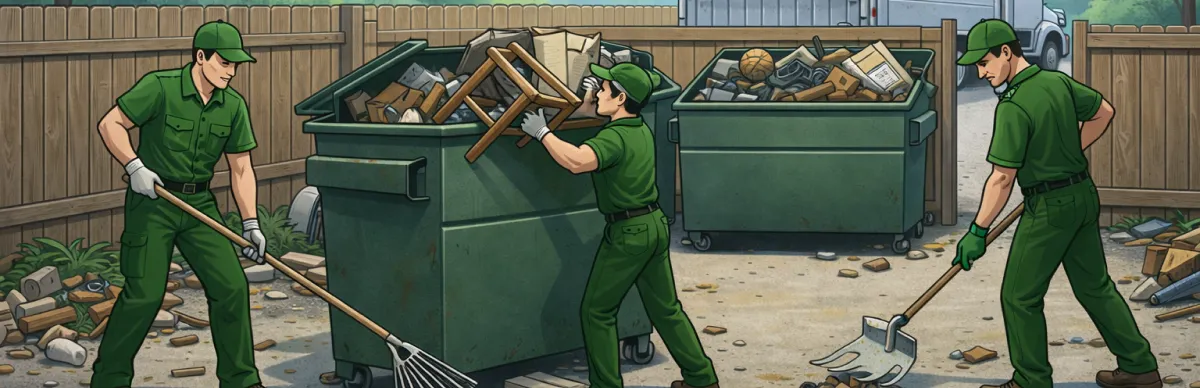
Eco-Friendly Disposal
Fast and Reliable Service
Free Up Valuable Space
Safe Removal Practices
Competitive Pricing
Local Expertise
Coordinating Scrap Metal Disposal with McDonough's Public Works and Code Compliance Divisions
Scrap metal removal in McDonough requires coordination with municipal departments that oversee waste handling, property maintenance, and code enforcement. The McDonough Public Works Department manages infrastructure services including stormwater management, which is directly relevant when scrap metal accumulation poses runoff or contamination risks. Residents and contractors should also consult the McDonough Code Compliance Division, which enforces property maintenance standards and investigates violations related to accumulated debris and metal stockpiles on residential or commercial properties.
- Property maintenance violations may be issued for visible scrap metal accumulation on yards or driveways
- Zoning compliance must be verified before storing or staging scrap metal on any property
- Stormwater protection requires that metal debris not obstruct drainage infrastructure or contribute to pollutant discharge
- Advance coordination with Public Works is recommended for large-volume scrap metal projects involving curbside staging
McDonough Public Works Department
115 Macon Street, McDonough, GA 30253
Phone: (770) 957-5786
Official Website: McDonough Public Works Department
McDonough Code Compliance Division
115 Macon Street, McDonough, GA 30253
Phone: (770) 957-5786
Official Website: McDonough Code Compliance Division
Georgia's Solid Waste Management Act and Scrap Metal Recycling Requirements
Georgia regulates solid waste disposal, including scrap metal, through the Georgia Environmental Protection Division (GA EPD), which administers the state's Solid Waste Management Act. This legislation establishes standards for the collection, transportation, and disposal of solid waste materials, including ferrous and non-ferrous metals. Scrap metal is classified separately from general municipal solid waste, and Georgia encourages diversion of recyclable metals from landfills through licensed scrap metal processing facilities.
- Ferrous metals (steel, iron, cast iron) and non-ferrous metals (copper, aluminum, brass) must be sorted and separated before transport to recycling facilities
- Licensed scrap dealers in Georgia must comply with state registration requirements and maintain transaction records per Georgia Code Title 10, Chapter 1, Article 28
- Landfill diversion of scrap metal is strongly encouraged; metals are among the most recyclable materials and should not be directed to municipal landfills
- Hazardous components such as refrigerants, mercury switches, or lead-based coatings must be removed and handled separately per EPA RCRA regulations
- Transportation of scrap metal requires secure loading to prevent road debris and compliance with Georgia Department of Transportation load-securing requirements
McDonough Building Permits and Demolition Debris Containing Scrap Metal
Renovation and demolition projects in McDonough frequently generate significant quantities of scrap metal, including structural steel, copper wiring, plumbing fixtures, HVAC ductwork, and metal roofing. The McDonough Building Inspection Division oversees permitting for construction and demolition activities, and proper waste management planning is a component of the permitting process. Properties built before 1978 may contain lead-based paint on metal surfaces, requiring compliance with the EPA Renovation, Repair, and Painting Rule during removal.
- Demolition permits must be obtained before dismantling structures that contain metal framing, roofing, or mechanical systems
- Pre-1978 structures require lead paint assessment before cutting, grinding, or torching metal components
- Asbestos surveys should be conducted on insulated pipes, HVAC systems, and older metal-clad structures before removal begins
- Metal separation from mixed construction debris is required at most licensed disposal facilities in Henry County
- Scrap metal from permitted projects should be documented for waste diversion reporting purposes
McDonough Building Inspection Division
115 Macon Street, McDonough, GA 30253
Phone: (770) 957-5786
Official Website: McDonough Building Inspection Division
Safety Protocols and Hazardous Material Handling for Scrap Metal Removal in McDonough
Scrap metal removal presents specific safety hazards that require adherence to OSHA standards and proper material handling procedures. Sharp edges, heavy weight, structural instability, and potential contamination with hazardous substances all demand professional-grade safety protocols. Workers handling scrap metal in McDonough must comply with federal workplace safety regulations and Georgia-specific environmental handling requirements, particularly when metals contain or are coated with hazardous materials.
- Cut-resistant gloves, steel-toed boots, and eye protection are mandatory personal protective equipment for all scrap metal handling
- Tetanus risk is elevated when handling rusted or corroded metals; workers should maintain current immunizations
- Appliance refrigerant recovery is required under EPA Section 608 regulations before scrapping refrigerators, air conditioners, or freezers
- Mercury-containing switches found in older appliances and thermostats must be removed and disposed of as hazardous waste
- Heavy lifting protocols require mechanical assistance (forklifts, hoists, or hydraulic equipment) for items exceeding 50 pounds per OSHA guidelines
- Vehicle load securing must prevent shifting or falling debris during transport on McDonough roadways; unsecured loads may result in traffic citations
Scrap Metal Sorting, Material Recovery, and Recycling Facilities Serving McDonough
Effective scrap metal recycling depends on proper sorting and separation of materials before delivery to processing facilities. Henry County and the greater south metro Atlanta area are served by multiple licensed scrap metal recycling operations that accept residential and commercial metal waste. Sorting metals by type maximizes recovery value and ensures compliance with facility intake requirements.
- Ferrous metals (attracted by magnets): steel appliances, iron pipes, cast iron fixtures, automotive components, structural beams
- Non-ferrous metals (higher recycling value): copper wiring and plumbing, aluminum siding and gutters, brass fixtures, stainless steel sinks
- Prohibited contaminants at most scrap yards include sealed tanks, pressurized cylinders, radioactive materials, and items containing PCBs
- Identification requirements: Georgia law requires scrap metal sellers to present valid government-issued photo identification and provide vehicle information for all transactions
- Transaction records are maintained by licensed dealers and may be shared with law enforcement to prevent trafficking in stolen metals
- Appliances containing compressors or refrigerant lines require certification of refrigerant recovery before acceptance at most scrap facilities
Residents should contact the McDonough Community & Economic Development Department for guidance on licensed commercial haulers and scrap processors operating within city limits.
What Neighborhoods Do We Serve Throughout McDonough, GA?
- Downtown McDonough Historic Square: Older commercial and mixed-use buildings surrounding the historic courthouse square may contain legacy metal infrastructure including cast iron plumbing, tin ceilings, and steel fire escapes. Narrow street access and on-street parking limitations require advance coordination for truck staging during scrap metal removal projects.
- Avalon and Cobblestone Communities: These established single-family subdivisions generate scrap metal from home renovation projects, fence replacements, and aging HVAC system removals. HOA guidelines may restrict curbside staging of metal debris; residents should verify community covenants before scheduling removal.
- Westbridge and Bridgemill Areas: Newer residential developments with wider streets and driveway access accommodate larger removal vehicles. Common scrap metal sources include construction remnants, metal shed demolitions, and appliance replacements.
- Lake Dow and Jodeco Road Corridor: Properties along this corridor include a mix of residential lots and light commercial parcels. Larger acreage properties may accumulate agricultural metal equipment, fencing materials, and outbuilding components requiring heavy equipment for removal.
- McDonough Industrial and Commercial Zones: Businesses along Highway 155 and Industrial Boulevard generate commercial-grade scrap metal including warehouse racking, manufacturing equipment, and metal fixtures. Commercial hauler licensing and proper waste manifesting are required for large-volume commercial scrap removal projects.