
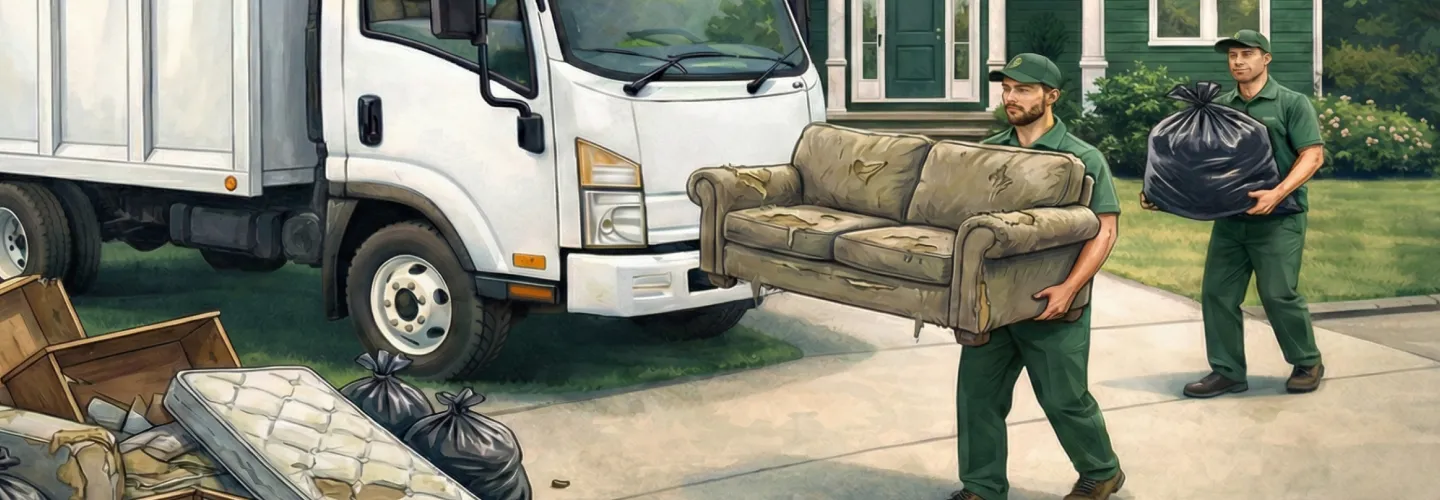
McDonough Property Management Junk Removal Services
Choose our Property Management Junk Removal for reliable, on-time service that keeps your properties spotless and tenant-ready—saving you time, hassle, and money.
Get a Free QuoteOur McDonough Junk Removal Services
Property Management Junk Removal in McDonough, GA – Local Service Guide
Property management junk removal in McDonough, GA, requires a tailored approach for both residential and commercial properties. In neighborhoods like Lake Dow North and Wesley Lakes, residents often need removal services during spring cleanouts, after storms, or when replacing large items such as appliances or mattresses. Local property managers coordinate with donation centers or recycling facilities for items like electronics and scrap metal, while larger items—such as hot tubs or sheds—may require special equipment and weather-aware scheduling. For residential spaces, garage and attic cleanouts are common after seasonal yard waste cycles or in flood-prone areas, with city trash pickup schedules influencing timing.
Commercial properties in areas like South Point Shopping Center and the industrial corridor face unique needs, from discreet office cleanouts to high-volume construction debris removal. Specialty services, including foreclosure or estate cleanouts, demand careful planning and coordination, especially when handling sensitive materials or meeting tight deadlines. For guidance on local disposal rules and resources, visit the McDonough Public Works Department.
Benefits of Property Management Junk Removal in McDonough
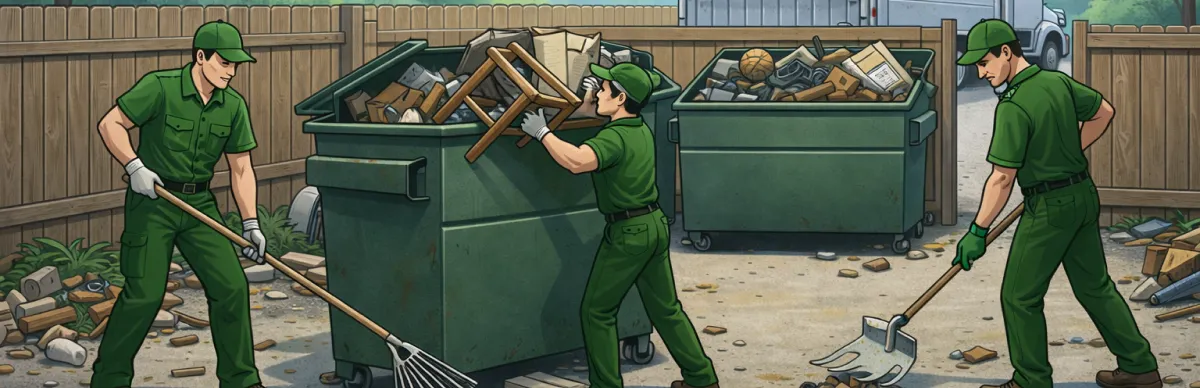
Fast Turnaround Times
Reliable Scheduling
Comprehensive Cleanouts
Eco-Friendly Disposal
Licensed and Insured Team
Flexible Service Options
Coordinating Property Management Junk Removal with McDonough's Public Works and Code Compliance Divisions
Property managers in McDonough must coordinate junk removal activities with multiple city departments to maintain compliance with municipal ordinances. The McDonough Public Works Department oversees infrastructure and stormwater management, which directly affects how debris and bulk waste are handled during tenant turnovers, eviction cleanouts, and property renovations. Property managers should confirm waste hauler access routes and ensure removal activities do not obstruct public rights-of-way or stormwater drainage systems.
Key coordination steps include:
- Scheduling removal during permitted hours to comply with city noise ordinances and avoid disruption to neighboring properties
- Verifying hauler licensing to confirm commercial waste transporters hold valid business licenses within McDonough
- Preventing illegal dumping by documenting all waste removal with hauler receipts and disposal facility records
- Reporting property maintenance violations through the Code Compliance Division when inherited properties contain accumulated debris
McDonough Public Works Department
2 Griffin Street, McDonough, GA 30253
Phone: (770) 957-5786
Official Website: McDonough Public Works Department
Property managers who fail to remove accumulated junk from rental units or common areas risk code enforcement action. The McDonough Code Compliance Division investigates property maintenance violations, including debris accumulation, abandoned furniture, and unsanitary conditions that may affect neighboring properties.
McDonough Building Permit Requirements for Renovation Debris and Demolition Waste Removal
When property management junk removal involves renovation or demolition debris, McDonough's Building Inspection Division requires permits before structural work begins. Debris generated from permitted renovation projects—including drywall, flooring, cabinetry, and fixtures—must be disposed of through licensed waste haulers or at approved facilities. Property managers overseeing unit upgrades, kitchen remodels, or bathroom renovations should obtain permits before generating construction waste.
Critical permit and debris considerations include:
- Building permits required for any structural modification, electrical work, or plumbing changes that generate construction debris
- Demolition permits needed before removing walls, built-in fixtures, or structural components from managed properties
- Asbestos surveys required for pre-1980 buildings before demolition or renovation per EPA Renovation, Repair, and Painting Rule guidelines
- Lead paint testing mandatory for pre-1978 properties undergoing renovation that disturbs painted surfaces
- Separation of construction debris from general household junk to ensure proper disposal at approved facilities
McDonough Building Inspection Division
2 Griffin Street, McDonough, GA 30253
Phone: (770) 957-5786
Official Website: McDonough Building Inspection Division
Property managers should retain all permit documentation and disposal receipts as proof of regulatory compliance during property inspections or ownership transfers.
Georgia Solid Waste Management Act Compliance for McDonough Property Managers
Property managers conducting junk removal in McDonough must comply with the Georgia Environmental Protection Division regulations governing solid waste handling, transportation, and disposal. The Georgia Solid Waste Management Act (O.C.G.A. § 12-8-20 et seq.) establishes requirements for waste generators, haulers, and disposal facilities throughout the state. Henry County, where McDonough is located, operates under a comprehensive solid waste management plan that governs how residential and commercial waste streams are processed.
Georgia-specific compliance requirements for property management junk removal include:
- Waste hauler permits — commercial haulers transporting solid waste must hold valid permits issued by the Georgia EPD
- Prohibited landfill materials — lead-acid batteries, used motor oil, and tires are banned from Georgia landfills and must be recycled through designated programs
- Appliance refrigerant recovery — refrigerators, air conditioners, and freezers require certified refrigerant removal per EPA Section 608 regulations before disposal
- Electronics disposal — while Georgia does not currently enforce a statewide e-waste landfill ban, responsible recycling through certified facilities is strongly recommended
- Yard waste separation — landscape debris generated during property cleanouts should be separated from household junk for composting or mulching
Georgia Environmental Protection Division
2 Martin Luther King Jr. Drive SE, Suite 1456 East, Atlanta, GA 30334
Phone: (404) 656-4713
Official Website: Georgia Environmental Protection Division
Recycling, Donation, and Material Recovery Options for McDonough Property Cleanouts
Property managers in McDonough should prioritize recycling and donation before landfill disposal when clearing rental units, common areas, or estate properties. Diverting reusable furniture, appliances, and household goods from the waste stream reduces disposal costs and supports community organizations. Henry County and the surrounding area offer several material recovery options that property managers should incorporate into their junk removal planning.
Recommended material recovery strategies include:
- Furniture and household goods donations — coordinate with local charitable organizations such as Habitat for Humanity ReStore or Goodwill, which accept gently used furniture, kitchenware, and home décor items
- Scrap metal recovery — old appliances, metal bed frames, and fixtures contain recyclable steel, aluminum, and copper that scrap facilities will accept
- Electronics recycling — computers, televisions, and peripherals should be taken to certified e-waste recyclers rather than placed in general waste streams
- Mattress recycling — Georgia does not have a mandatory mattress EPR program, but some recycling facilities in the metro Atlanta area accept mattresses for component recovery
- Appliance handling — refrigerators, washers, dryers, and HVAC units require special handling; refrigerant-containing appliances must have certified refrigerant recovery completed before recycling or disposal
Property managers should document all donations and recycling activities for tax deduction purposes and to demonstrate environmental compliance during property audits.
McDonough Code Compliance and Property Maintenance Standards for Junk Accumulation
The McDonough Code Compliance Division enforces property maintenance standards that directly affect how property managers handle junk removal timelines and procedures. Accumulated debris, abandoned furniture on porches or in yards, and overflowing waste containers can trigger code violations that carry financial penalties and mandatory remediation deadlines. Property managers must proactively address junk accumulation to maintain compliance and protect property values.
Key code compliance considerations include:
- Property maintenance violations — visible junk, debris, or abandoned items on rental properties may result in violation notices requiring remediation within a specified timeframe
- Exterior storage restrictions — McDonough's municipal code regulates outdoor storage of furniture, appliances, and household items on residential and commercial properties
- Tenant turnover cleanouts — property managers should schedule junk removal within days of tenant departure to prevent accumulation that triggers neighbor complaints
- Eviction cleanout procedures — abandoned tenant property must be handled according to Georgia landlord-tenant law (O.C.G.A. § 44-7-55), which establishes timelines for property disposition after eviction
- Fire safety compliance — accumulated junk in hallways, stairwells, and common areas of multi-family properties violates fire code; the McDonough Fire Department conducts inspections of multi-family properties
McDonough Code Compliance Division
2 Griffin Street, McDonough, GA 30253
Phone: (770) 957-5786
Official Website: McDonough Code Compliance Division
What Neighborhoods Do We Serve Throughout McDonough, GA?
- Downtown McDonough Historic Square — Properties surrounding the historic town square feature older commercial and mixed-use buildings with narrow rear access and limited staging areas. Property managers should coordinate removal timing to avoid conflicts with community events and farmers market schedules on the square.
- Avalon and Avalon Park — These established single-family subdivisions feature standard driveway access and cul-de-sac layouts. HOA regulations may restrict curbside staging of junk and debris; property managers should confirm community covenants before scheduling removal.
- Cobblestone and Cobblestone Creek — Newer planned communities with wide streets and accessible driveways accommodate removal vehicles. Property managers handling tenant turnovers in these neighborhoods should coordinate with HOA management regarding exterior staging and removal schedules.
- Heron Bay — This large master-planned community includes single-family homes and townhomes with varying access configurations. Townhome units may require stairwell navigation for second-floor cleanouts, and gated entry may require advance coordination for hauler vehicle access.
- Southpoint and Lake Dow Estates — Established neighborhoods with mature tree canopy and longer driveways. Property managers should verify overhead clearance for removal trucks and plan for potential soft-ground conditions during wet weather months.
- Westbridge and Eagles Landing Area — Communities near the Eagles Landing corridor include a mix of residential and commercial properties. Multi-family property managers in this area should coordinate with building management for loading area access and elevator reservations during large-scale cleanouts.