
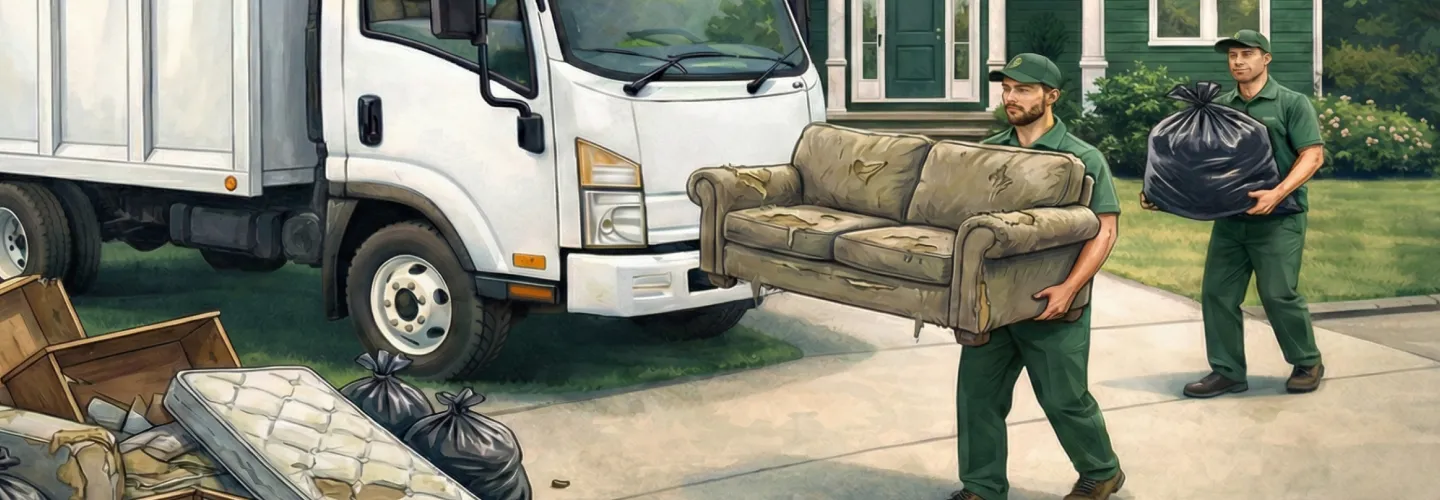
McDonough Hospitality Junk Removal Services
Choose our Hospitality Junk Removal for prompt, professional service that keeps your business spotless and running smoothly—so you can focus on your guests, not the mess.
Get a Free QuoteOur McDonough Junk Removal Services
Hospitality Junk Removal in McDonough, GA – Local Service Guide
Hospitality junk removal in McDonough, GA, requires a tailored approach for both residential and commercial clients. In neighborhoods like Lake Dow North and Wesley Lakes, residents often need removal services during spring cleanouts, after storms, or when replacing large items such as mattresses, appliances, or hot tubs. Local disposal options include donation, recycling, or responsible disposal, with logistics shaped by property access, weather, and item size. For residential spaces—garages, basements, attics, and yards—seasonal cleanouts and storm debris are common, especially in areas prone to flooding or with heavy tree coverage. Commercial clients in downtown McDonough or along Jonesboro Road, such as hotels and restaurants, require discreet, timely removal to minimize disruption, often dealing with higher volumes and strict operational schedules. Specialty services like estate, foreclosure, or construction debris removal demand careful planning and coordination, particularly for larger properties or time-sensitive projects. For guidance on local disposal rules and resources, visit the McDonough Public Works Department.
Key Considerations for Hospitality Junk Removal in McDonough
- Timing around local events, storms, and seasonal cycles
- Permit requirements for large-scale or specialty removals
- Approved disposal and recycling channels
- Property access and weather-related logistics
- Volume and category-specific handling needs
- Coordination with property managers or city services
Benefits of Hospitality Junk Removal in McDonough
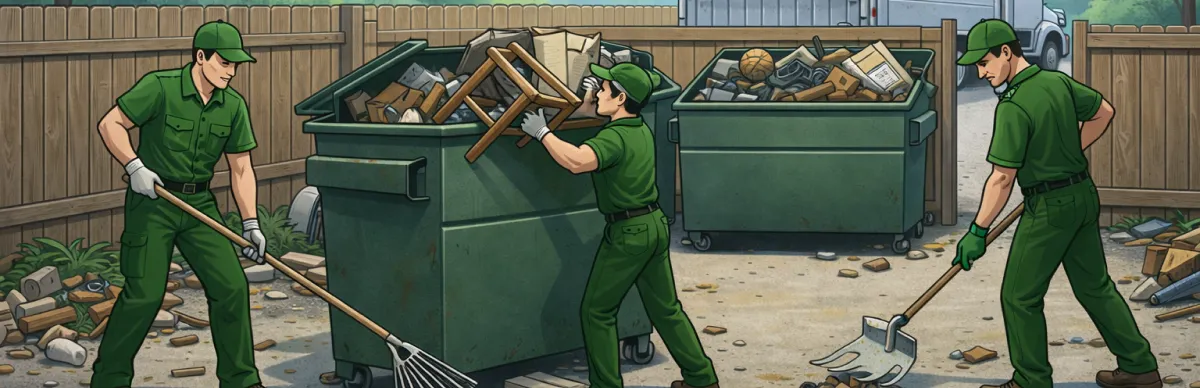
Fast Turnaround Times
Professional and Discreet Service
Eco-Friendly Disposal Solutions
Flexible Scheduling Options
Licensed and Insured Team
Comprehensive Cleanout Services
Coordinating Hospitality Junk Removal with McDonough's Public Works and Code Compliance Divisions
Hospitality properties in McDonough—including hotels, motels, bed-and-breakfasts, and event venues—generate substantial volumes of discarded furnishings, fixtures, and operational equipment during renovations, closures, and seasonal upgrades. Coordinating removal efforts with the appropriate municipal departments ensures compliance with local ordinances and prevents code violations. Key coordination steps include:
- Contact the Public Works Department before scheduling large-scale removal to confirm any street access or loading restrictions near the property
- Verify code compliance requirements for exterior staging of removed items, as materials left on sidewalks or rights-of-way may trigger enforcement action
- Confirm commercial waste hauler licensing through the city, as unlicensed haulers operating within McDonough may face penalties
- Schedule removal during permitted hours to comply with local noise ordinances and minimize disruption to neighboring businesses and residents
- Obtain building permits if removal involves structural demolition or fixture extraction requiring inspection
McDonough Public Works Department
2 Griffin Street, McDonough, GA 30253
Phone: (770) 957-5786
Official Website: McDonough Public Works Department
The McDonough Code Compliance Division enforces property maintenance standards and investigates violations related to improper debris storage, illegal dumping, and unsightly accumulation of discarded hospitality materials on commercial properties.
Georgia's Solid Waste Management Act and Hospitality Disposal Requirements
Georgia regulates solid waste disposal through the Georgia Comprehensive Solid Waste Management Act (O.C.G.A. § 12-8-20 et seq.), administered by the Georgia Environmental Protection Division. Hospitality businesses in McDonough must comply with both state and local requirements when disposing of bulk furnishings, mattresses, electronics, and renovation debris. Important regulatory considerations include:
- Solid waste permits: Any entity transporting solid waste for hire in Georgia must hold a valid permit from the GA EPD
- Landfill restrictions: Hazardous materials such as paints, solvents, cleaning chemicals, and refrigerants commonly found in hospitality operations are prohibited from municipal solid waste landfills
- Appliance refrigerant recovery: Ice machines, refrigerators, and HVAC units must have refrigerants recovered by an EPA Section 608-certified technician before disposal
- Electronics disposal: While Georgia does not currently enforce a statewide e-waste landfill ban, responsible recycling of televisions, computers, and electronic equipment from hotel rooms is strongly encouraged through the Georgia Environmental Protection Division programs
- Construction and demolition debris: Renovation waste from hospitality remodels must be transported to permitted C&D landfills or recycling facilities, not mixed with municipal solid waste
Georgia Environmental Protection Division
2 Martin Luther King Jr. Drive SE, Suite 1456, Atlanta, GA 30334
Phone: (404) 656-4713
Official Website: Georgia Environmental Protection Division
McDonough Building Permits and Inspection Requirements for Hospitality Renovation Debris
When hospitality junk removal involves structural modifications—such as removing built-in cabinetry, bathroom fixtures, or wall partitions during hotel renovations—building permits and inspections may be required through the McDonough Building Inspection Division. Failure to obtain proper permits before demolition or fixture removal can result in stop-work orders, fines, and complications with future property inspections. Property owners and removal contractors should consider:
- Submit permit applications through the McDonough Building Inspection Division before beginning any work that alters the building's structure, plumbing, or electrical systems
- Lead paint assessment: Hospitality buildings constructed before 1978 may contain lead-based paint; removal activities must follow the EPA Renovation, Repair, and Painting Rule requiring certified renovators
- Asbestos surveys: Older hotels and motels may contain asbestos in floor tiles, insulation, or ceiling materials, requiring licensed abatement before removal
- Fire safety coordination: Notify the McDonough Fire Department when removing fire suppression equipment, exit signage, or emergency lighting fixtures
McDonough Building Inspection Division
2 Griffin Street, McDonough, GA 30253
Phone: (770) 957-5786
Official Website: McDonough Building Inspection Division
Recycling and Donation Pathways for Hospitality Furnishings in McDonough
Hospitality properties undergoing renovation or closure often discard large quantities of reusable items—beds, dressers, desks, chairs, linens, and appliances—that can be diverted from landfills through recycling and donation programs. Henry County, where McDonough is located, supports waste diversion through several channels. Hospitality operators should evaluate the following options before scheduling junk removal:
- Furniture and fixture donations: Organizations such as Habitat for Humanity ReStore accept gently used hospitality furniture, lighting fixtures, and appliances; schedule pickups or drop off during posted hours
- Mattress recycling: Although Georgia does not have a mandatory mattress EPR program, mattresses can be recycled through private facilities that recover steel springs, foam, and fabric
- Scrap metal recovery: Metal bed frames, shelving units, commercial kitchen equipment, and HVAC components have resale value at licensed scrap metal facilities
- Textile recycling: Linens, curtains, and upholstery fabrics may be accepted by textile recycling programs rather than disposed of in landfills
- Appliance recycling: Refrigerators, washers, dryers, and ice machines should be processed through certified recyclers who perform proper refrigerant recovery
Prioritizing donation and recycling reduces disposal costs and supports McDonough's broader environmental stewardship goals.
OSHA Safety Standards and Hazardous Material Handling for Hospitality Removal Projects
Large-scale hospitality junk removal presents significant safety hazards, including heavy lifting of commercial-grade furniture, exposure to hazardous materials in older buildings, and navigation of multi-story structures. All removal operations in McDonough must comply with federal Occupational Safety and Health Administration (OSHA) standards and applicable state regulations. Critical safety requirements include:
- Heavy lifting protocols: Commercial hospitality furniture—including sleeper sofas, conference tables, and industrial kitchen equipment—often exceeds 100 pounds and requires mechanical lifting aids or team-lift procedures per OSHA ergonomic guidelines
- Personal protective equipment (PPE): Workers must wear appropriate PPE including steel-toed boots, cut-resistant gloves, eye protection, and respiratory protection when handling materials that may contain lead dust or asbestos fibers
- Stairwell and elevator safety: Multi-story hotels without freight elevators require careful planning for stairwell navigation; items must be secured to prevent falls and protect wall surfaces
- Hazardous material identification: Hospitality properties may contain cleaning chemical stockpiles, pool chemicals, pest control substances, and mercury-containing thermostats that require separate hazardous waste disposal
- Property protection: Use floor runners, door frame padding, and wall corner guards to prevent damage during removal operations
McDonough Fire Department
50 Lawrenceville Street, McDonough, GA 30253
Phone: (770) 957-1561
Official Website: McDonough Fire Department
Contact the Fire Department for guidance on proper disposal of fire suppression chemicals, extinguishers, and emergency equipment removed from hospitality properties.
What Neighborhoods Do We Serve Throughout McDonough, GA?
- Downtown McDonough Historic Square: The historic commercial district features older multi-story buildings with narrow stairwells and limited rear-alley access. Hospitality properties in this area may require right-of-way coordination for truck staging on the square, and pre-1978 structures necessitate lead paint and asbestos assessments before fixture removal.
- Lake Dow and South McDonough: This residential and mixed-use corridor includes bed-and-breakfast establishments and small event venues. Wide residential streets generally accommodate removal trucks, though properties near the lake may have gravel driveways requiring surface protection during heavy equipment staging.
- Highway 155 Commercial Corridor: Hotels and extended-stay properties along this busy corridor require careful scheduling to avoid peak traffic hours. Loading dock access varies by property; coordination with property management for service entrance access is typically necessary.
- Eagles Landing and Panola Road Area: This growing commercial district includes newer hotel properties with modern freight elevator access and designated loading zones. HOA-governed properties in adjacent residential areas may impose restrictions on exterior debris staging and removal vehicle parking.
- Westwood and Avalon Communities: Suburban neighborhoods with event venues and small hospitality operations. Cul-de-sac layouts may limit truck turning radius, and community covenants often restrict the duration that removed items may remain visible on the property.
- Jonesboro Road Corridor: Mixed commercial and residential properties along this corridor include motels and lodging facilities of varying age and condition. Older structures may present accessibility challenges including narrow doorways and absence of elevator service, requiring item disassembly before removal.