
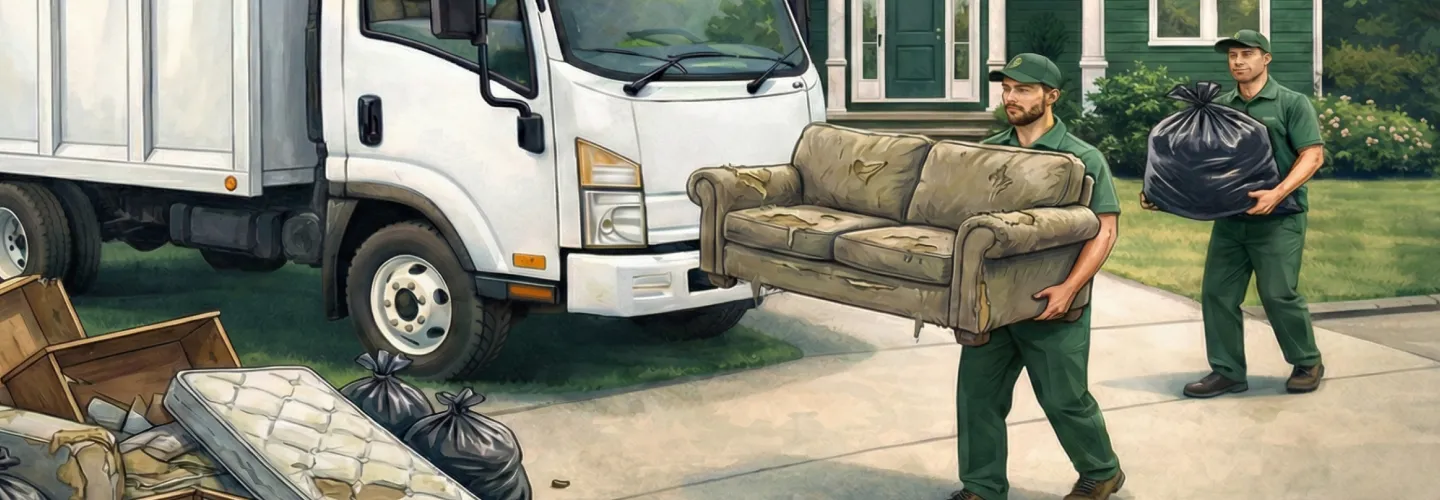
McDonough Construction Debris Removal Services
Choose us for your construction debris removal and enjoy hassle-free, eco-friendly disposal with prompt service and transparent pricing—making your job site safer and cleaner, every time.
Get a Free QuoteOur McDonough Junk Removal Services
Construction Debris Removal in McDonough, GA – Local Service Guide
Construction debris removal in McDonough, GA, is essential for keeping homes and businesses safe, compliant, and clutter-free. In neighborhoods like Lake Dow North and Wesley Lakes, residents often need debris removal after home renovations, appliance upgrades, or seasonal cleanouts. Items such as old furniture, mattresses, and appliances are commonly replaced during spring and fall, while electronics and scrap metal accumulate during move-outs or estate transitions. Local options include donation, recycling, or proper disposal, with logistics shaped by driveway access, weather, and item size. For residential spaces like garages, basements, and yards, storm debris and yard waste peak after summer storms or during annual yard cycles, especially in areas with heavy tree coverage or flood risk. Commercial clients in the Jonesboro Road corridor or near South Point Shopping Center face unique needs—restaurants and offices generate regular waste, while construction sites require timely, discreet removal to keep projects on schedule. Specialty services, such as dumpster rentals or foreclosure cleanouts, demand careful planning and coordination, especially for large volumes or sensitive property contexts. For local rules and resources, visit the McDonough Public Works Department.
Key Considerations for Construction Debris Removal in McDonough
- Timing debris removal with local weather and project schedules
- Securing necessary permits for large-scale disposal
- Choosing proper disposal channels (donation, recycling, landfill)
- Ensuring access for trucks and equipment in tight neighborhoods
- Estimating debris volume for efficient service
- Coordinating with property managers or contractors for specialty projects
Benefits of Construction Debris Removal in McDonough
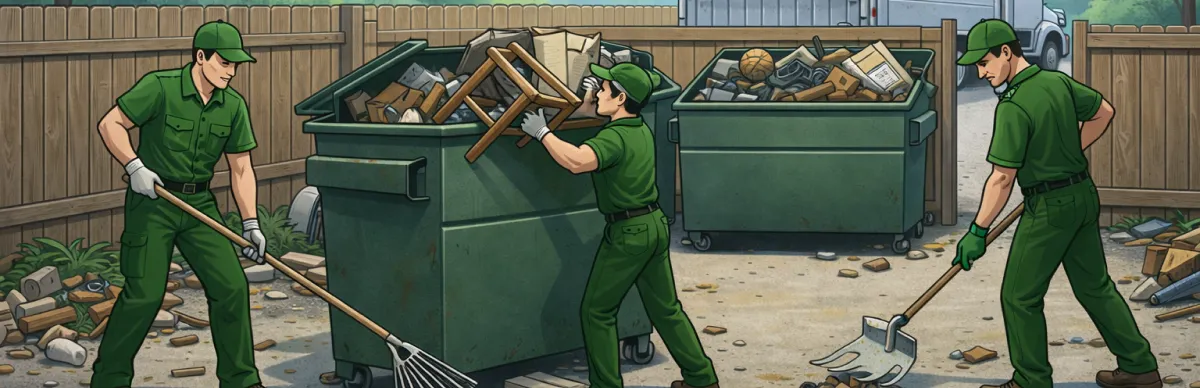
Fast Debris Cleanup
Safe Job Site Practices
Eco-Friendly Disposal
Cost-Effective Solutions
Licensed and Insured Team
Flexible Scheduling Options
Coordinating Construction Debris Removal with McDonough’s Public Works Department
Construction debris removal in McDonough, GA, is regulated by the city’s Department of Public Works, which oversees municipal solid waste programs and ensures compliance with local ordinances. Residents and contractors must adhere to city guidelines for debris placement, collection schedules, and permitted materials. Key requirements include:
- Scheduling bulk debris pickup in advance through the city’s solid waste program
- Placing construction debris curbside by 6:00 AM on designated collection days
- Separating recyclable materials from general waste as required by city policy
- Adhering to volume and weight limits for curbside collection (typically 2 cubic yards per pickup)
- Avoiding placement of debris in alleys, sidewalks, or public rights-of-way without proper authorization
McDonough Public Works Department
136 Keys Ferry Street, McDonough, GA 30253
Phone: (770) 957-3915
Official Website: McDonough Public Works Department
Failure to comply with these requirements may result in code violations or additional fees. For detailed program information, visit the city’s official website or contact the department directly.
Understanding McDonough’s Code Enforcement and Permit Requirements for Construction Debris
Proper removal of construction debris in McDonough often requires coordination with the Code Compliance Division and the Building Inspection Division, especially for large-scale renovations or demolitions. Key legal requirements include:
- Obtaining building permits for demolition or major renovation projects
- Securing right-of-way permits if removal trucks need to access public streets or sidewalks
- Complying with historic district or HOA restrictions for debris removal
- Ensuring all contractors are licensed and insured per city regulations
- Scheduling inspections to verify compliance with property maintenance standards
McDonough Building Inspection Division
136 Keys Ferry Street, McDonough, GA 30253
Phone: (678) 432-4666
Official Website: McDonough Building Inspection Division
McDonough Code Compliance Division
136 Keys Ferry Street, McDonough, GA 30253
Phone: (678) 432-4666
Official Website: McDonough Code Compliance Division
Non-compliance can result in fines or delays. Always verify permit requirements before beginning debris removal activities.
Environmental Compliance and Material Handling Standards for Construction Debris in McDonough
Environmental stewardship is a priority in McDonough, with strict regulations governing the handling and disposal of construction debris. The city and state require:
- Segregation of hazardous materials (e.g., lead paint, asbestos) from general debris
- Prohibition of certain materials in municipal landfills, including electronics and chemicals
- Use of certified professionals for hazardous material abatement
- Compliance with Georgia Environmental Protection Division solid waste regulations
- Adherence to EPA Resource Conservation and Recovery Act (RCRA) for hazardous waste
Proper material handling reduces environmental impact and ensures worker safety. Residents and contractors should consult city and state guidelines for up-to-date lists of prohibited items and approved disposal methods.
Recycling and Material Recovery Programs for Construction Debris in McDonough
McDonough encourages recycling and material recovery as part of its construction debris management strategy. The city and state promote:
- Separation of recyclable materials such as metal, concrete, and clean wood from mixed debris
- Utilization of local recycling centers for eligible construction materials
- Compliance with state landfill bans on electronics and certain appliances
- Participation in donation programs for reusable building materials
- Tracking of landfill diversion rates for large projects
For more information on recycling mandates and drop-off locations, consult the Georgia Environmental Protection Division and the city’s solid waste resources. Recycling not only conserves landfill space but also supports McDonough’s sustainability goals.
What Neighborhoods Do We Serve Throughout McDonough, GA?
- Historic Downtown McDonough: Features older commercial and residential buildings, often requiring careful handling of lead paint and asbestos during debris removal. Narrow streets may limit truck access and require special permits.
- Lake Dow: Predominantly single-family homes with larger lots, allowing easier curbside debris placement. HOA guidelines may restrict collection times and require advance notification.
- City Square: Mixed-use developments with multi-story buildings and limited parking. Coordination with building management and adherence to loading dock schedules are essential.
- Bridlewood: Newer subdivisions with wide streets and modern construction. Debris removal is generally straightforward, but compliance with community covenants is necessary.
- Wesley Lakes: Family-oriented neighborhood with a mix of home ages. Some properties may have access challenges due to landscaping or shared driveways.
- Avalon: Features both residential and light commercial properties. Removal projects may require coordination with multiple property owners and adherence to zoning regulations.
- Crown River: Upscale homes with private driveways and gated access. Advance scheduling and property protection protocols are recommended for debris removal services.