
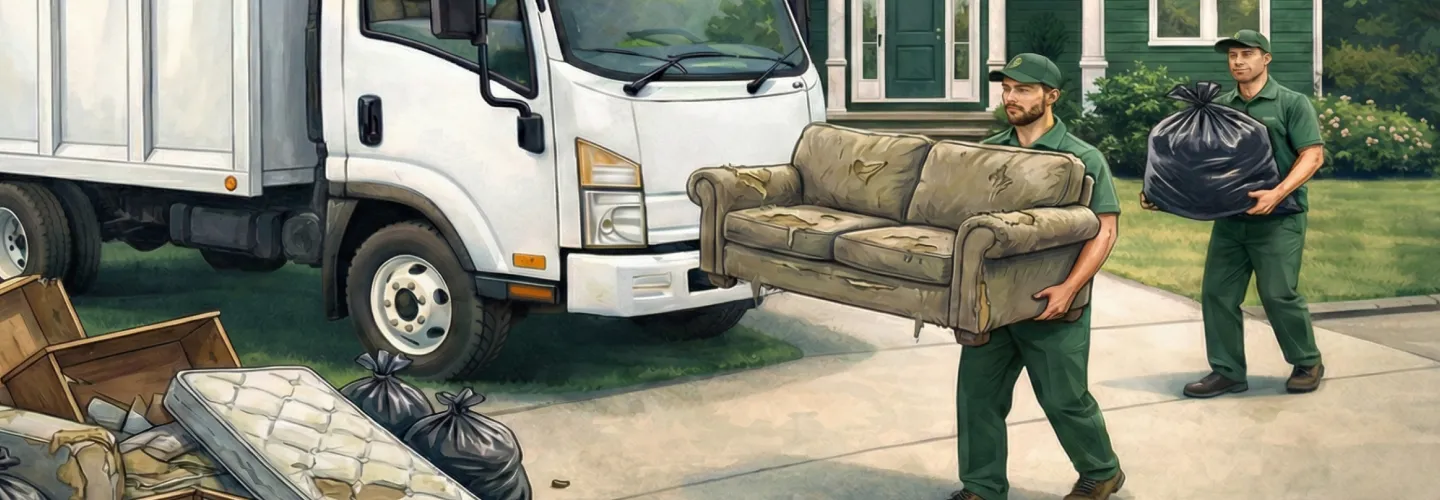
McDonough Basement & Attic Cleaning Services
Choose our expert basement and attic cleaning for a healthier, clutter-free home—our team removes dust, debris, and allergens so you can enjoy clean, usable spaces with peace of mind.
Get a Free QuoteOur McDonough Junk Removal Services
Basement & Attic Cleaning in McDonough, GA – Local Service Guide
Basement and attic cleaning in McDonough, GA, is essential for maintaining a safe, organized home—especially in neighborhoods like Lake Dow North and Wesley Lakes, where seasonal humidity and storms can lead to clutter and moisture issues. Homeowners often schedule cleanouts during spring or after major life events such as moving or renovations. For residential items like old furniture, mattresses, or appliances, local disposal options include donation centers or recycling facilities, while larger items may require special pickup. Access can be challenging in older homes with narrow staircases or limited parking, and weather can impact scheduling, particularly during the rainy season. In commercial areas like the McDonough Square district, businesses may need discreet, after-hours service to minimize disruption, with higher volumes typical for property management or hospitality sectors. Specialty cleanouts—such as for estate sales or hoarding—require careful planning and coordination, often involving multiple visits and sensitive handling.
Key Considerations for Basement & Attic Cleaning in McDonough
- Timing cleanouts around local weather patterns and storm seasons
- Checking for any required permits or city guidelines (McDonough Public Works Department)
- Choosing proper disposal or recycling channels for bulky items
- Assessing access challenges in historic or multi-story homes
- Estimating volume and coordinating with local haulers
- Addressing category-specific needs, such as electronics or hazardous materials
Benefits of Basement & Attic Cleaning in McDonough
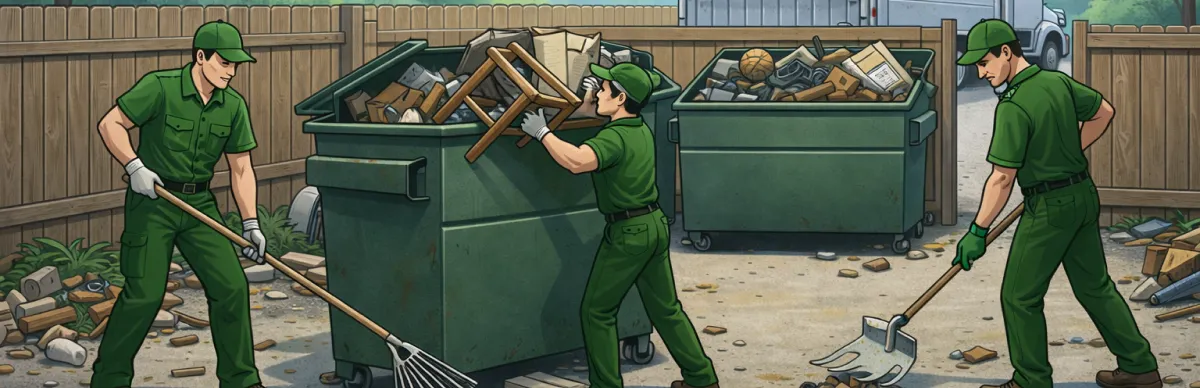
Improved Indoor Air Quality
Enhanced Home Safety
Increased Storage Space
Prevention of Mold and Pests
Boosted Property Value
Professional and Reliable Service
Coordinating Basement and Attic Debris Disposal with McDonough's Public Works Department
Basement and attic cleaning projects in McDonough frequently generate large volumes of accumulated household items, old furniture, stored electronics, and miscellaneous debris that require proper disposal coordination. The McDonough Public Works Department oversees municipal infrastructure services, including guidance on waste handling for residential cleanout projects. Residents should confirm current bulk waste collection availability and any scheduling requirements before placing items curbside. Key considerations for basement and attic cleanout disposal include:
- Sorting materials into categories: general household waste, recyclables, electronics, hazardous items, and donation-eligible goods
- Scheduling bulk pickups in advance, as oversized items may not be accepted during regular collection
- Separating prohibited items such as paint cans, batteries, pesticides, and chemicals from general debris
- Verifying weight and volume limits for curbside collection to avoid code compliance issues
- Retaining proof of proper disposal for any materials requiring special handling documentation
McDonough Public Works Department
2 Griffin Street, McDonough, GA 30253
Phone: (770) 957-5786
Official Website: McDonough Public Works Department
McDonough Code Compliance Standards for Property Cleanout and Material Storage
Basement and attic spaces in McDonough are subject to municipal property maintenance codes enforced by the McDonough Code Compliance Division. Accumulated materials in these areas can create fire hazards, attract pests, and violate occupancy standards. The Code Compliance Division investigates violations related to excessive storage, blocked egress pathways, and improper material accumulation that may compromise structural integrity or safety. Residents undertaking basement or attic cleaning should be aware of the following regulatory considerations:
- Egress requirements: Basement spaces used as habitable rooms must maintain clear exit pathways per building code
- Fire safety: Combustible materials stored near electrical panels, water heaters, or HVAC equipment must be removed to maintain required clearances
- Pest prevention: Accumulated cardboard, fabric, and organic materials can harbor rodents and insects, triggering health-related code violations
- Debris staging: Materials placed outside during cleanout must not obstruct sidewalks, driveways, or neighboring properties
- Violation penalties: Code enforcement actions may include notices of violation and potential fines for non-compliance
McDonough Code Compliance Division
2 Griffin Street, McDonough, GA 30253
Phone: (770) 957-5786
Official Website: McDonough Code Compliance Division
Georgia Environmental Protection Division Requirements for Hazardous Materials Found in Basements and Attics
Basement and attic cleaning in older McDonough homes may uncover hazardous materials requiring specialized disposal under Georgia state regulations. The Georgia Environmental Protection Division (GA EPD) administers the Georgia Comprehensive Solid Waste Management Act, which governs the handling, transport, and disposal of both solid and hazardous waste streams. Common hazardous items discovered during basement and attic cleanouts include:
- Lead-based paint debris: Homes built before 1978 may contain lead paint on stored items or structural surfaces; the EPA Renovation, Repair, and Painting Rule requires lead-safe work practices during disturbance of these materials
- Asbestos-containing materials: Older insulation, floor tiles, and pipe wrapping may contain asbestos; licensed abatement professionals must handle friable asbestos
- Old pesticides and chemicals: Stored garden chemicals, solvents, and cleaning agents are classified as household hazardous waste and are prohibited from regular trash disposal
- Mercury-containing devices: Old thermostats, thermometers, and fluorescent bulbs require separate hazardous waste handling
Henry County periodically hosts Household Hazardous Waste collection events where McDonough residents can dispose of these materials at no cost. Contact the county for upcoming event schedules.
McDonough Building Inspection Requirements When Attic or Basement Cleaning Involves Structural Modifications
In some cases, basement and attic cleaning projects in McDonough reveal structural damage, water intrusion, or conditions that necessitate repairs or modifications. The McDonough Building Inspection Division administers building permits and inspections for any work that alters structural elements, electrical systems, or plumbing uncovered during cleanout activities. Residents should understand when permits are required:
- Structural repairs: Damaged floor joists, support beams, or foundation walls exposed during basement cleaning may require permitted repair work
- Electrical updates: Outdated wiring, junction boxes, or panel access discovered in attics must be addressed by licensed electricians with proper permits
- Insulation replacement: Removing old insulation and installing new materials may require inspection to verify compliance with current energy codes
- Moisture remediation: Basement waterproofing or mold remediation work that involves structural modifications requires building department review
- Egress window installation: Converting a cleaned basement to habitable space requires egress window permits and inspections
McDonough Building Inspection Division
2 Griffin Street, McDonough, GA 30253
Phone: (770) 957-5786
Official Website: McDonough Building Inspection Division
Recycling and Donation Options for Salvageable Items from McDonough Basement and Attic Cleanouts
Basement and attic cleaning projects in McDonough often yield reusable items that can be diverted from landfills through recycling programs and charitable donation. Georgia's solid waste management framework, administered by the Georgia Environmental Protection Division, encourages waste diversion and material recovery. The EPA Region 4 Southeast office also provides guidance on federal recycling standards applicable to Georgia communities. Residents should consider these diversion strategies before disposing of cleanout materials:
- Furniture and household goods: Local charitable organizations accept gently used furniture, kitchenware, and home décor items; verify donation hours and accepted items in advance
- Electronics and e-waste: Old computers, televisions, and peripherals should not be placed in regular trash; Henry County and surrounding areas offer e-waste drop-off locations
- Scrap metal: Old appliances, metal shelving, and hardware can be taken to scrap metal recyclers for material recovery
- Textiles and clothing: Wearable clothing and linens can be donated; damaged textiles may be accepted by textile recycling programs
- Books and paper goods: Libraries, schools, and paper recycling facilities accept bulk book and paper donations
Sorting materials before disposal maximizes diversion rates and reduces overall disposal costs for McDonough residents.
What Neighborhoods Do We Serve Throughout McDonough, GA?
- Downtown McDonough Historic Square: Older commercial and residential structures surrounding the historic square may feature narrow stairwells, limited attic access points, and pre-1978 construction materials requiring lead-safe handling protocols. Street parking limitations may affect debris staging during cleanout projects.
- Avalon: This established residential community features single-family homes with standard basement and attic configurations. HOA guidelines may govern exterior debris staging and pickup scheduling during cleanout activities.
- Cobblestone Manor: Newer construction in this subdivision typically includes accessible attic spaces and crawl spaces. Wide driveways and cul-de-sac layouts facilitate efficient material removal and truck access for larger cleanout projects.
- Magnolia Park: A mix of single-family homes with varying lot sizes and construction ages. Residents should verify whether stored materials in older homes may contain hazardous substances before beginning cleanout work.
- Westbridge: This community features homes with full basements common to the area's terrain. Sloped lots may present access challenges for heavy item removal from lower-level basement spaces.
- Reeves Station: Proximity to commercial corridors provides convenient access to donation centers and recycling facilities. Residential properties in this area vary in age, requiring assessment of potential hazardous materials in attic insulation and basement finishes.