
McDonough Bulk Trash Pickup Services
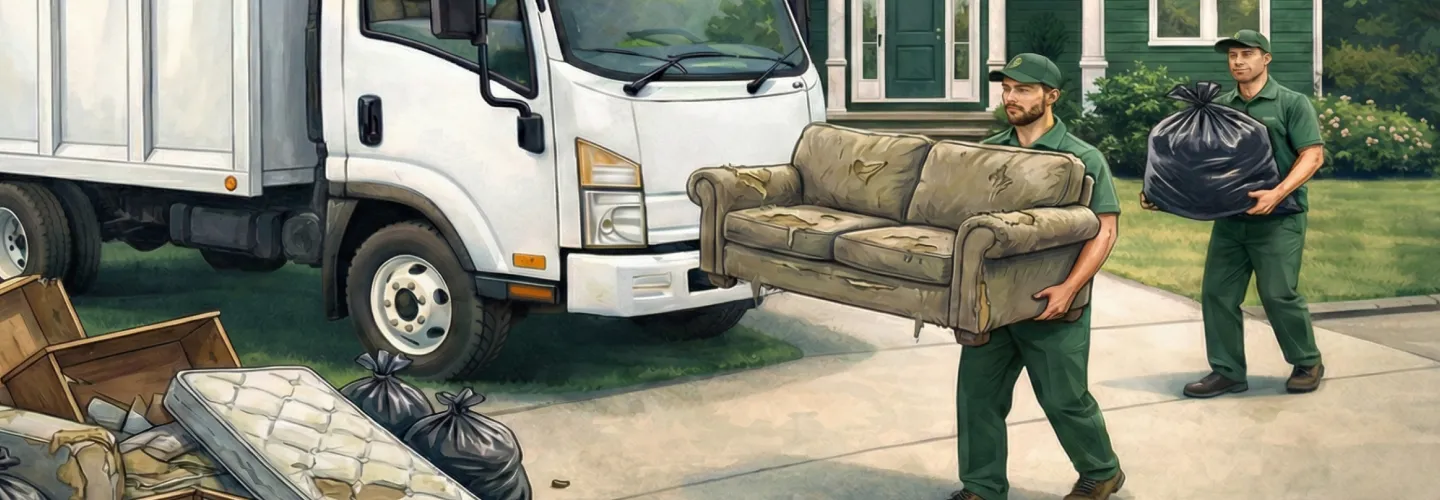
Choose our Bulk Trash Pickup for reliable, hassle-free service that keeps your property clean and clutter-free—saving you time, effort, and ensuring responsible disposal every time.
Get a Free QuoteOur McDonough Junk Removal Services
Bulk Trash Pickup in McDonough, GA – Local Service Guide
Bulk trash pickup in McDonough, GA is essential for residents and businesses managing large or unusual waste. In neighborhoods like Lake Dow North and Wesley Lakes, residents often schedule pickups during spring cleanouts, after storms, or when replacing furniture, mattresses, or appliances. Items such as hot tubs, electronics, and scrap metal can be donated, recycled, or disposed of, but access and weather—especially during rainy seasons—can affect logistics. For residential spaces like garages, basements, and yards, seasonal yard waste and storm debris are common, with areas prone to flooding or heavy tree coverage needing more frequent service. Commercial properties in the Jonesboro Road corridor, including offices, restaurants, and warehouses, require discreet, timely pickups to manage high volumes and maintain operations. Specialty services—like dumpsters for construction debris or estate cleanouts—demand careful planning and coordination, especially for foreclosures or hoarding situations. For local rules and resources, visit the McDonough Public Works Department.
Key Considerations for Bulk Trash Pickup in McDonough
- Timing pickups around local events, storms, and seasonal cleanouts
- Checking for required permits or city guidelines
- Using proper disposal channels for recyclables and hazardous items
- Ensuring clear access for large items and vehicles
- Estimating volume to select the right service size
- Coordinating with providers for specialty or high-volume pickups
Benefits of Bulk Trash Pickup in McDonough
Convenient Scheduling Options
Reliable On-Time Service
Eco-Friendly Disposal Methods
Affordable Bulk Pickup Rates
Experienced Local Team
Safe and Efficient Removal
Coordinating Bulk Trash Pickup Schedules with McDonough's Public Works Department
Residents of McDonough must coordinate bulk trash pickup through the city's designated waste collection framework. The McDonough Public Works Department oversees municipal infrastructure services, including solid waste coordination for residential areas within city limits. Residents should be aware of the following requirements when preparing bulk items for curbside collection:
- Advance scheduling is typically required; contact Public Works before placing oversized items at the curb
- Curbside placement must not obstruct sidewalks, fire hydrants, mailboxes, or stormwater drainage infrastructure
- Prohibited items include hazardous waste, automotive fluids, tires, and appliances containing refrigerants
- Separation requirements may apply — yard waste, construction debris, and household bulk items often require separate handling
- Collection windows are limited; items placed outside designated timeframes may trigger code compliance action
Failure to follow proper scheduling and placement guidelines can result in violations issued by the city's enforcement divisions.
McDonough Public Works Department
2 Griffin Street, McDonough, GA 30253
Phone: (770) 957-5786
Official Website: McDonough Public Works Department
McDonough Code Compliance Standards for Improper Bulk Waste Disposal
The City of McDonough enforces property maintenance and waste disposal standards through its Code Compliance Division. Bulk trash left on properties outside of approved collection periods, or items illegally dumped on vacant lots and rights-of-way, may result in municipal code violations. Residents and property owners should understand the following enforcement provisions:
- Property maintenance ordinances require that yards, driveways, and curb areas remain free of accumulated debris and discarded household items
- Illegal dumping of bulk waste on public or private property is subject to citation and potential fines
- Abandoned appliances such as refrigerators and freezers pose entrapment hazards and must be rendered safe before curbside placement by removing doors or securing them shut
- Repeat violations may escalate to municipal court proceedings and additional penalties
- Complaint-driven investigations are conducted by code compliance officers responding to neighborhood reports
Residents who observe illegal dumping or bulk waste accumulation should report concerns directly to the Code Compliance Division for investigation.
McDonough Code Compliance Division
2 Griffin Street, McDonough, GA 30253
Phone: (770) 957-5786
Official Website: McDonough Code Compliance Division
Georgia's Solid Waste Management Act and Its Impact on McDonough Disposal Practices
Bulk trash disposal in McDonough is governed not only by municipal ordinances but also by the Georgia Comprehensive Solid Waste Management Act (O.C.G.A. § 12-8-20) administered by the Georgia Environmental Protection Division (GA EPD). This state law establishes the regulatory framework for solid waste handling, transportation, and disposal across all Georgia municipalities. Key provisions affecting bulk trash pickup include:
- Solid waste permits are required for any facility accepting bulk residential waste, including transfer stations and landfills operating in Henry County
- Tire disposal is regulated under Georgia law; tires must be taken to permitted tire processors and cannot be placed in standard bulk collection
- Lead-acid batteries are banned from landfill disposal statewide and must be returned to retailers or designated recycling facilities
- Appliances containing refrigerants (air conditioners, refrigerators, freezers) require certified refrigerant recovery per EPA Section 608 regulations before disposal
- Yard waste should be separated from household bulk items, as many Georgia landfills restrict or manage organic materials separately
Compliance with both state and local regulations protects McDonough's environment and prevents costly penalties.
Hazardous Materials and Prohibited Items in McDonough Bulk Trash Collection
Not all household items qualify for bulk trash pickup in McDonough. Certain materials are classified as hazardous waste under federal and state law and require specialized disposal channels. The Resource Conservation and Recovery Act (RCRA) establishes federal standards for hazardous waste management, while Georgia EPD enforces state-level requirements. Items commonly prohibited from bulk curbside collection include:
- Paints, solvents, and chemical cleaners — must be disposed of through household hazardous waste collection events or designated drop-off facilities
- Propane tanks and pressurized containers — pose explosion risks and are banned from landfill disposal
- Electronics (e-waste) such as televisions, computer monitors, and printers — should be taken to certified e-waste recyclers; Georgia does not currently have a statewide e-waste landfill ban, but responsible recycling is strongly encouraged
- Medical waste and sharps — require disposal through approved medical waste programs
- Asbestos-containing materials — found in older homes built before 1980; require licensed abatement and cannot be placed in bulk collection under any circumstances
Residents in pre-1978 homes should also be aware of the EPA Lead Renovation, Repair, and Painting Rule when disposing of renovation debris that may contain lead-based paint.
McDonough Building Inspection Division
2 Griffin Street, McDonough, GA 30253
Phone: (770) 957-5786
Official Website: McDonough Building Inspection Division
Recycling and Material Recovery Options for Bulk Items in McDonough
Before scheduling bulk trash pickup, McDonough residents are encouraged to explore recycling, donation, and material recovery alternatives that divert reusable items from landfills. Henry County and the surrounding region offer several options for responsible bulk item disposal:
- Scrap metal recovery — old appliances, metal furniture frames, and exercise equipment often contain recyclable steel, aluminum, and copper; local scrap yards accept these materials
- Furniture and household goods donations — organizations such as Habitat for Humanity ReStore and local charitable thrift stores accept gently used furniture, working appliances, and household items
- Appliance recycling — refrigerators, washers, dryers, and dishwashers can often be recycled through retailer take-back programs or scrap metal facilities after proper refrigerant recovery
- Mattress disposal — Georgia does not have a mattress EPR program; mattresses may be accepted through bulk collection but should be kept dry and free of contamination
- Yard waste composting — tree limbs, brush, and organic debris should be separated from bulk household items and directed to composting or mulching facilities when available
Prioritizing reuse and recycling supports McDonough's environmental stewardship goals and reduces the volume of material sent to permitted landfills.
What Neighborhoods Do We Serve Throughout McDonough, GA?
- Downtown McDonough Historic Square: Older commercial and residential structures surround the historic courthouse square. Narrow streets and on-street parking may limit truck access for bulk item removal; coordination with city permitting may be necessary for right-of-way use during collection.
- Avalon: This established residential subdivision features single-family homes with standard driveway access. Homeowners association guidelines may govern curbside placement timing and the types of items permitted at the curb prior to collection.
- Cobblestone Manor: A newer planned community with wide residential streets and cul-de-sacs. Bulk items should be placed at the curb without blocking sidewalks or stormwater drainage inlets common in these developments.
- Heron Bay: This large subdivision includes a mix of single-family homes near recreational amenities. Seasonal cleanouts and landscaping projects generate significant yard waste and bulk debris requiring proper separation.
- Reese's Landing: A growing residential area with newer construction. Homeowners disposing of construction-related bulk waste from home improvement projects should verify that renovation debris is separated from standard household items.
- The Lakes at Jodeco: Features homes near pond and lake areas where stormwater management is critical. Bulk items must not be placed near drainage easements or retention areas to prevent environmental contamination and code violations.